
En esta noticia
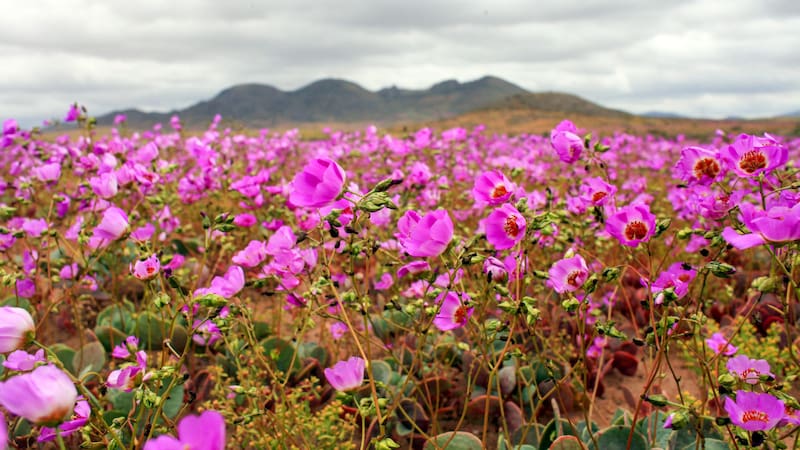
The Atacama Desert in northern Chile turned into a carpet of wildflowers after heavy rains during the Southern Hemisphere winter. The phenomenon, known as the flowering desert, transformed the landscape of one of the driest regions on the planet and led to one of the most intense and widespread blooms seen in nearly 30 years, since 1997.

Record rainfall, helped by the El Niño climate phenomenon, allowed hundreds of native species to sprout from the barren ground, the EFE news agency reported Sunday.
According to the National Forestry Corporation (CONAF), the flowers are covering about 17,000 square kilometers this year, an area equal to 23% of the Atacama region.
El Niño brought record rain to the planet’s driest desert
The Atacama Desert stretches for about 1,600 kilometers along Chile’s northern coast, between the Pacific Ocean and the Andes mountains. In this area, average annual rainfall without El Nino’s influence is just 2 millimeters of water.
However, between July and September, extraordinary rains were recorded in different places. One of the most notable cases was Vallenar, where rainfall reached 183.5 millimeters.
El Nino occurs when the surface waters of the central and eastern Pacific Ocean undergo unusual warming. This shift changes weather patterns in different parts of the world and can trigger extreme weather events.
The storms also had negative consequences in northern Chile, where flooding and mudslides left dozens of homes damaged.
More than 200 native species cover Atacama’s ground with flowers
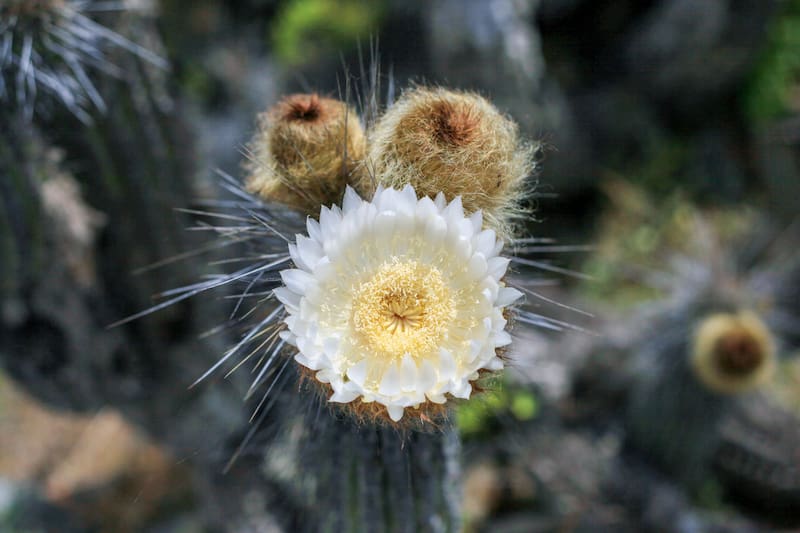
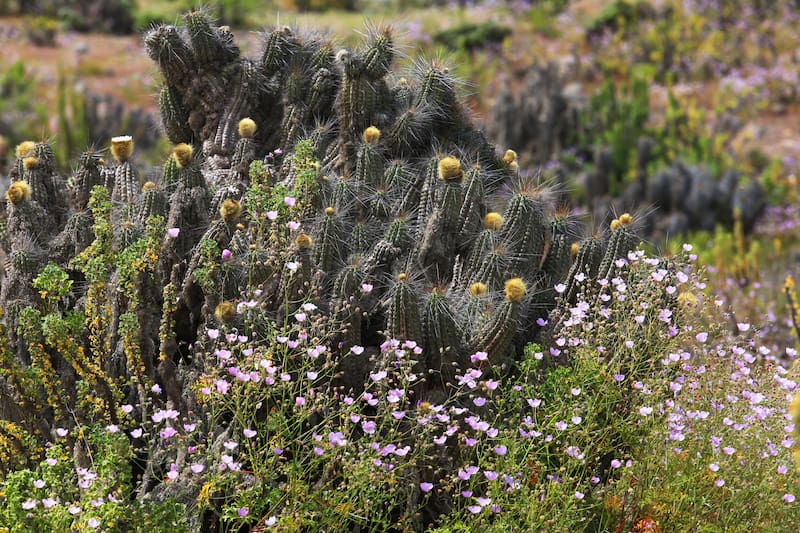
The bloom turned the desert’s reddish, rocky landscape into a natural spectacle. More than 200 native species sprouted thanks to the rainfall, including añañuca, lion’s claw, guanaco foot, and vulture flower.
The phenomenon happens because seeds, bulbs, and rhizomes remain under the sand for much of the year, dormant, waiting for the right conditions to germinate.
When winter rains arrive, the moisture allows these species to begin growing and blooming. According to CONAF, the area covered this year reaches about 17,000 square kilometers, making this season one of the largest episodes in recent decades.
When will the flowers in the Atacama Desert disappear?
The natural spectacle lasts only a limited time. Most of the flowers will disappear during November, although some more drought-resistant species can last until January.
The bloom is also raising expectations for Chile’s tourism sector. Authorities expect the season to end with record numbers, driven by thousands of visitors traveling from across the country to see the flowering desert.
It is one of Chile’s most striking natural phenomena, temporarily turning one of the driest places on Earth into a landscape covered in color.