
En esta noticia
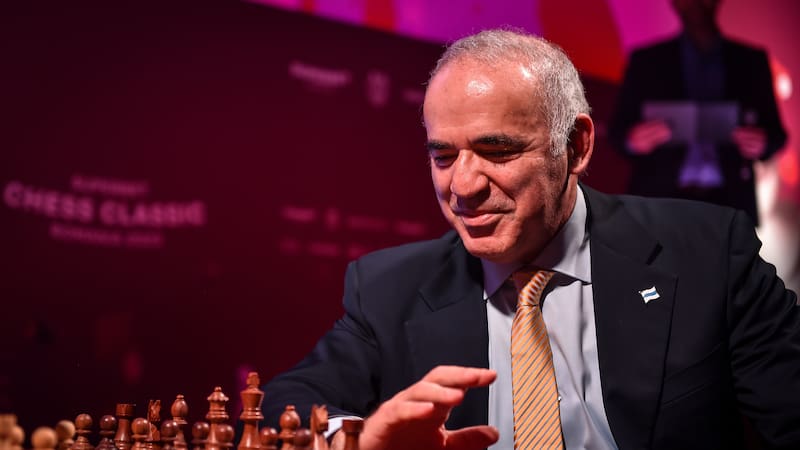
For Garry Kasparov, the former world chess champion who held the title from 1985 to 2000, one of the fundamental differences between strategy and tactics lies in the time horizon: the first defines where you want to go, and the second, what to do in the moment to move toward that goal.

The chess player marked this distinction in his 2007 book How Life Imitates Chess, in which he uses the game as a tool to analyze decision-making, leadership, and problem-solving.
Strategy looks further ahead
Kasparov defines strategy as an abstract activity tied to long-term goals. In chess, that can mean deciding what kind of position you want to reach, which areas of the board you want to control, or what pawn structure best supports the course of the game.
That is why a strategy can hold for many moves, even when circumstances force changes in the intermediate steps.
Tactics decide what to do now
Tactics are concrete and consist of finding the right move for each moment. They can depend on an opponent’s threat, an opportunity to win material, or an attack on the king. Kasparov also describes them as conditional and opportunistic, tied to attack and defense.
A tactical opportunity can last just one move, so it requires paying attention to what is happening and calculating the consequences of each move.
Strategy and tactics work together
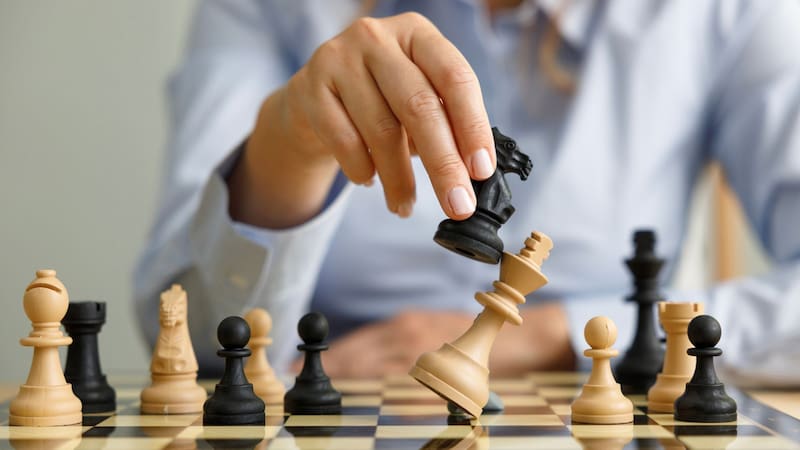
According to Kasparov, success depends on combining a sound strategy with good tactical decisions. Strategy needs precise moves to turn it into results, and a series of good moves needs a broader goal to give it direction.
The same is true off the board. A company can have a growth strategy for the next few years and make daily tactical decisions about pricing, products, or investments, and the same goes for a professional career or managing a team.
It is a relationship that chess makes visible and that adds to the ways of exercising the brain to improve memory that specialists recommend. Strategy answers where you want to go, and tactics, what is best to do now.