
En esta noticia
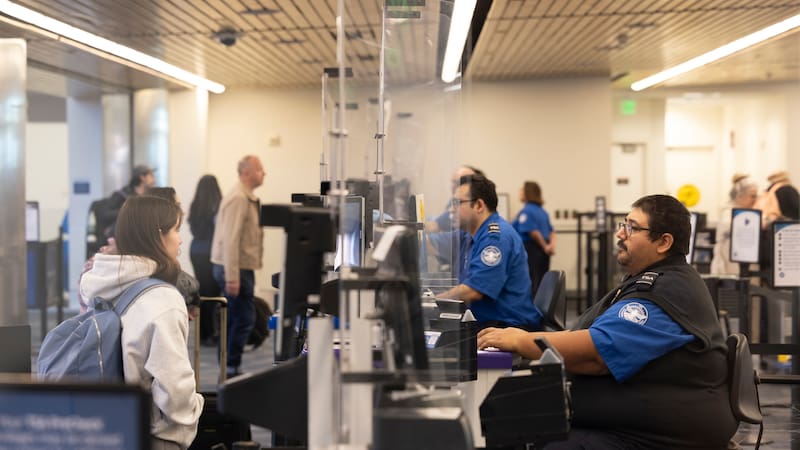
The United States has begun requiring a mandatory declaration from everyone who travels by air to the country from abroad. Since Nov. 3, airlines must deny boarding to anyone who does not certify they were outside the Democratic Republic of the Congo (DRC) during the 21 days before the flight.

The measure was issued by the Centers for Disease Control and Prevention (CDC), the U.S. federal agency, on Oct. 22 and amended a few days later to clarify its scope. Its goal is to reduce the risk of Ebola entering the country by air.
Who is affected by the ban on boarding flights to the United States
The order applies to Colombians, Mexicans, Argentines, and citizens of any other nationality. It also includes Americans, U.S. nationals, and permanent residents with green cards.
The measure covers commercial, private and cargo flights, as well as crew members. So the traveler’s passport does not matter: everyone must comply with the certification, unless they have an official exemption. Those who do not present the document will not be allowed to board any flight to the U.S.
Which country should those who want to travel to the United States avoid
The territory identified by the authorities is the Democratic Republic of the Congo in central Africa. Anyone who has been there during the 21 days before the flight will not be allowed to board a plane to the United States. The restriction also applies to anyone who has made a layover at a Congolese airport, even if they did not get off the plane or leave the terminal.
The CDC states that the day of departure from Congo is day zero and that the passenger may travel to the United States starting on day 22, as long as they meet the other entry requirements.
What declaration must passengers sign before boarding?
Travelers must complete a paper or digital certification confirming that they were not in the Democratic Republic of the Congo during the 21 days before boarding.
The CDC allows the use of a physical signature, a verified digital signature, or an electronic declaration via a checkbox. Passengers do not necessarily have to print the form before going to the airport: each airline will tell them how to complete the process.
Airlines are responsible for collecting the documents and keeping them for at least 42 days after the flight arrives.