
En esta noticia
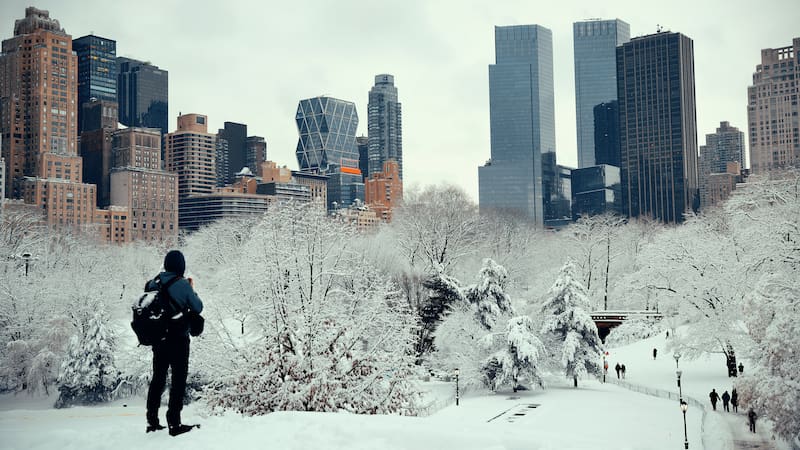
After months of dealing with high temperatures, the Northeast and the Great Lakes region will receive a high-pressure system from Canada, bringing a much colder air mass.
The drop will be abrupt, since as recently as Friday, October 2, the Interstate 95 corridor reached temperatures close to 29 °C. However, between Tuesday and Wednesday, a sharp cooling is expected, with lows capable of producing frost and even freezing in some inland areas.

Drastic drop in temperatures: What is expected for Tuesday and Wednesday?
A cold air mass from Canada will cause a sharp drop in temperatures in the Great Lakes region and the northeastern United States.
According to the AccuWeather report, it will be the coldest air recorded in months and will mark an important contrast compared with the temperatures recorded during the first days of October.
During the early hours of Tuesday, October 6, with clear skies and light winds, the first frosts or freezes of the season could occur in the coldest areas of the Great Lakes region.
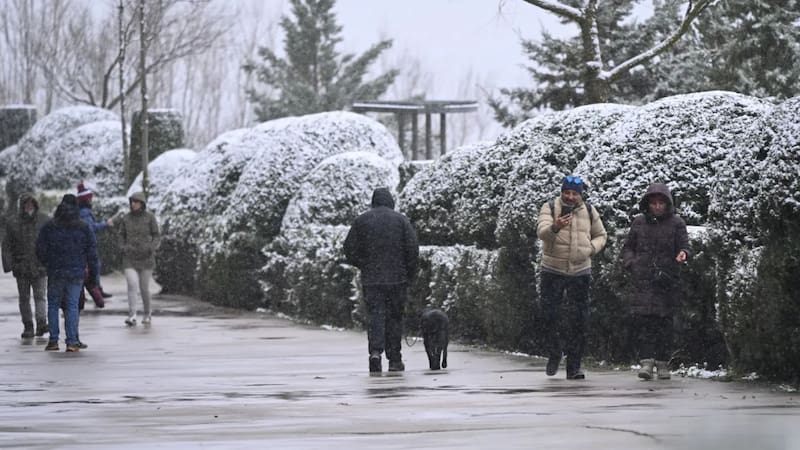
By Wednesday, October 7, the risk will shift east and reach the Appalachians and the interior Northeast.
Which areas will be at risk of frost and for how long?
The risk of frost will begin during Tuesday morning in parts of the interior Great Lakes region and then shift east between Tuesday night and Wednesday morning.
The areas at highest risk are:
- Northern Pennsylvania, especially the mountainous areas.
- The Adirondacks are in northern New York State.
- The Green Mountains, in Vermont.
- Inland areas of Michigan and Ohio.
- Rural areas in the interior of New York.
- High-elevation areas of New Hampshire, Maine, and West Virginia.
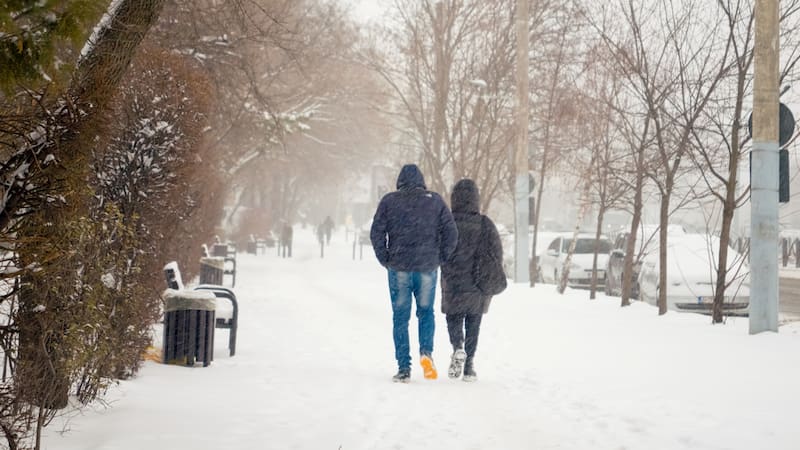
The danger will be greater in rural areas, valleys, and higher-elevation sections, where temperatures can drop more sharply during the night.
What recommendations do meteorologists give to protect yourself during a frost?
The National Weather Service (NWS) recommends paying attention to the so-called “4 P’s”: People, Pets, Pipes and Plants.
Among the main recommendations are:
- Limit time outdoors during the coldest hours and wear several layers of clothing.
- Keep pets in warm, dry places whenever possible.
- Pay special attention to older adults and other people particularly vulnerable to the cold.
- Insulate exposed pipes to reduce the risk of freezing and bursting.
- Cover sensitive plants before the frost arrives.
The episode will last for two consecutive nights and will mark the arrival of temperatures more typical of autumn in much of the Northeast and the Great Lakes region.