
En esta noticia
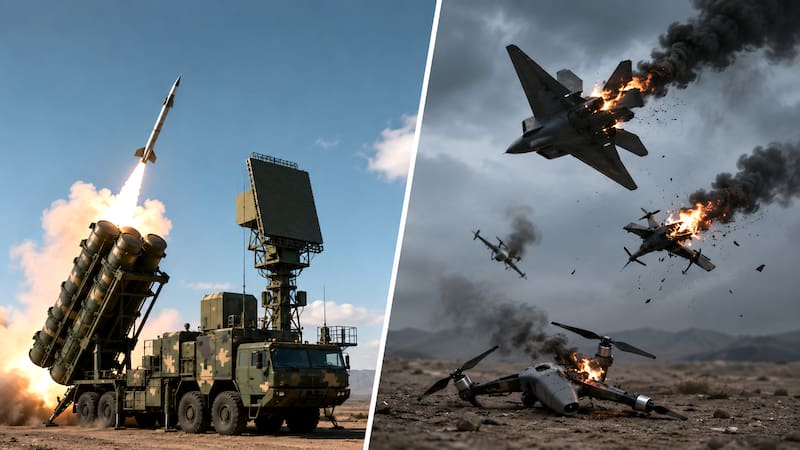
Aleksandar Vučić, who despite having submitted his resignation continues to hold the presidency of Serbia, announced at the end of June the purchase of the Chinese HQ-9 anti-aircraft system, the most advanced missile technology for long range that China has ever exported to Europe.
With this new acquisition, the European country positions itself in the military scenario with NATO with a three-level air defense that covers long-, medium-, and short-range attacks.

Why is Serbia buying these missiles?
The precedent Serbia took into account before developing its defense system was the NATO bombing of Serbia for 78 days in 1999, something that destroyed much of the country’s air defenses.
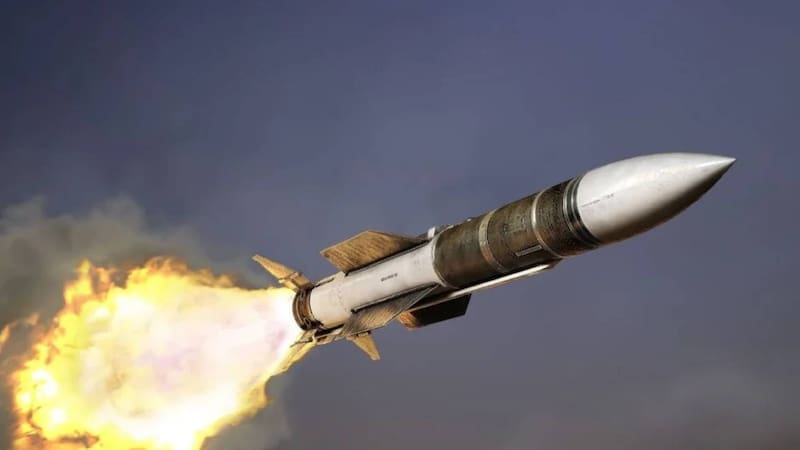
Serbia has decided to expand and invest in its military defense system given its geopolitical position in terms of its political neutrality regarding the Balkans. As Serbia is not part of NATO, its goal is to maintain autonomy in defense matters, so its weaponry comes from various suppliers:
- The West.
- Russia.
- China.
During the last decade, Serbia has been in charge of buying from China the short-range HQ-17AE systems and the medium-range FK-3 systems. With this new addition, air defense is complete and now has a layered system.

What are the main characteristics of Serbia’s defense system?
The HQ-9 is one of the latest anti-aircraft systems developed by China, and its design aims to intercept multiple types of threats at long range. With a range of up to 200 kilometers against aircraft.
Among the threats that Serbia will now be able to intercept with its three-tier network are:
- Fighter jets.
- Bombers.
- Helicopters.
- Drones.
- Cruise missiles.
- Tactical ballistic missiles.
In addition, it also has phased-array radars that are capable of detecting, tracking, and engaging different targets at the same time.