

By Pedro Bianco
En esta noticia
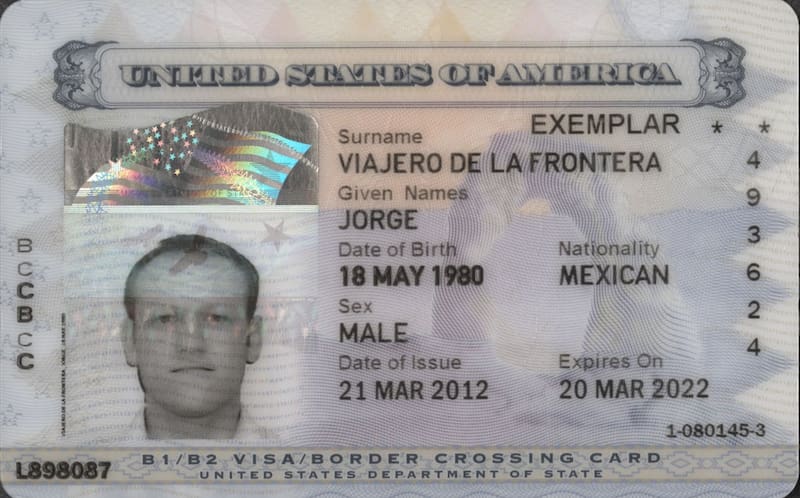
For millions of Mexicans who live near the border, crossing into the United States for the day, to shop, to visit relatives, or for work, does not require a passport with a traditional visa, but rather a specific document: the Border Crossing Card.
Known as the BCC or “laser visa,” and processed through Form DSP-150, it enables entry by land and sea to the four states that border Mexico: California, Texas, Arizona and New Mexico.


What the Border Crossing Card (BCC) is
The BCC is a laminated card, the size of a credit card, that works as the official permit to cross the border into the United States. It is the document with which, by processing Form DSP-150, Mexicans from the border area enter the country without needing a passport with a visa stamped in it.
It is specifically intended for residents of border areas and has, for years, been the most widely used document for everyday crossings between Mexico and the southern states of the United States.
Who can apply for the BCC
The requirements are clear and limited. The card is issued only to people who are Mexican citizens and residents and who have a valid Mexican passport when they apply. In addition, the applicant must meet the same standards as a B1/B2 visa: prove that their stay in the United States will not exceed six months and show ties to Mexico (work, family, property) that guarantee their return.
The process includes an in-person interview at the consulate, biometric data collection (photo and fingerprints) and a background check, and is handled through the U.S. consular sections in Mexico.
The BCC is used to enter the United States through land and sea ports of entry, but it is not valid for air travel, unless the person also has a valid visa stamped in their passport.
How far you can travel with a BCC and how long are you allowed to stay
The card does not allow free movement throughout the country. It allows a person to stay within a border area for a limited time, generally, up to 30 days per visit, as determined by the CBP officer, without needing to process Form I-94. That area varies depending on the state:
- In Texas and California: up to about 25 miles from the border.
- In New Mexico: up to about 55 miles, or up to Interstate 10.
- In Arizona: up to about 75 miles, or up to the city of Tucson.