En esta noticia
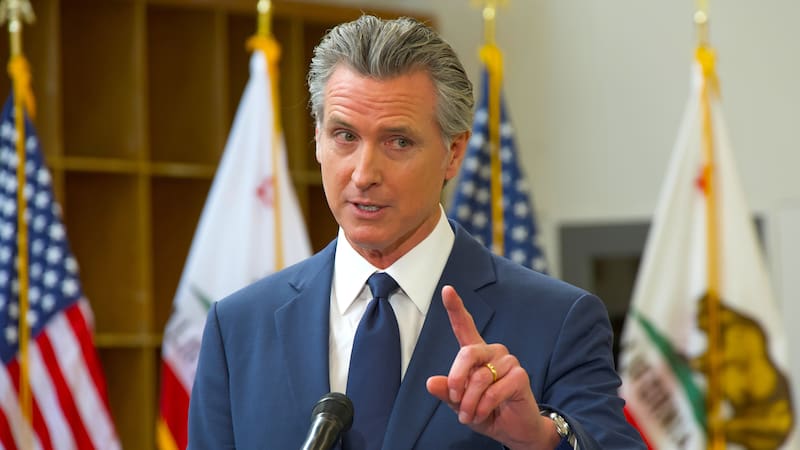
California is making it easier for millions of residents to carry a driver’s license on their smartphones after Gov. Gavin Newsom signed a new law aimed at modernizing the state’s Department of Motor Vehicles.
The measure, Senate Bill 169, expands access to California’s Mobile Driver’s License program while also changing how the DMV handles certain notices, renewals and paperwork.
The change could be particularly important for drivers who want to use a digital version of their identification instead of relying solely on a physical card.
California raises the limit for mobile driver’s licenses
One of the biggest changes under the new law is the expansion of the state’s Mobile Driver’s License (mDL) program.
Previously, participation in the pilot program was capped at 15% of California’s licensed drivers. SB 169 raises that limit to 60%, potentially opening the door for millions of additional Californians to obtain a digital driver’s license.
The program was launched in 2023 through the California DMV’s mobile wallet. According to the governor’s office, more than 3.5 million Californians have already applied for a mobile driver’s license.
The expansion does not mean that every California driver automatically receives a digital license. Instead, it increases the number of people who can participate in the program.
What is a California Mobile Driver’s License?
A mobile driver’s license is a digital version of a California driver’s license or identification card that can be stored on a compatible smartphone.
The goal is to give residents another way to verify their identity while making certain interactions faster and more convenient.

The program is part of a broader effort by California officials to move more DMV services online and reduce the need for in-person visits.
According to the governor’s office, more than 90% of DMV transactions are already available online, while transaction times have been reduced significantly in recent years.
The DMV is also changing how it communicates with drivers
The new law goes beyond digital identification. SB 169 authorizes several measures designed to reduce paperwork and modernize DMV operations. Among them are changes involving mailed notices, physical driver handbooks and communications about license renewals.
The state says these changes are intended to make the DMV more efficient and reduce unnecessary costs.
For drivers, that could mean more interactions with the agency being handled electronically rather than through traditional paper-based processes.
Does the digital license replace the physical card?
Not necessarily. The expansion of the mobile driver’s license program gives eligible Californians another option for carrying identification, but it does not mean that the physical driver’s license has disappeared.
Drivers should continue to pay attention to the specific situations in which a digital license is accepted and follow DMV requirements regarding their physical identification.
The mobile license is still part of a pilot program, and its practical use depends on compatible verification systems and participating locations.
Why the change matters
California has one of the largest populations of licensed drivers in the United States, meaning even a change to the DMV’s digital services can affect millions of people.
By increasing the participation ceiling from 15% to 60%, the state is significantly expanding the potential reach of its mobile identification program.
The move also fits into California’s broader push to reduce paperwork, expand online services and limit the number of routine transactions that require a visit to a DMV office.
For residents who prefer managing government documents from their phones, the new law could make the DMV considerably more convenient.
When does the new California DMV law take effect?
Gov. Gavin Newsom signed SB 169 on July 13, 2026, officially putting the DMV modernization measure into state law.
The expansion of mobile driver’s license access is one of the central changes, but the law also includes other measures intended to streamline DMV operations.