
En esta noticia
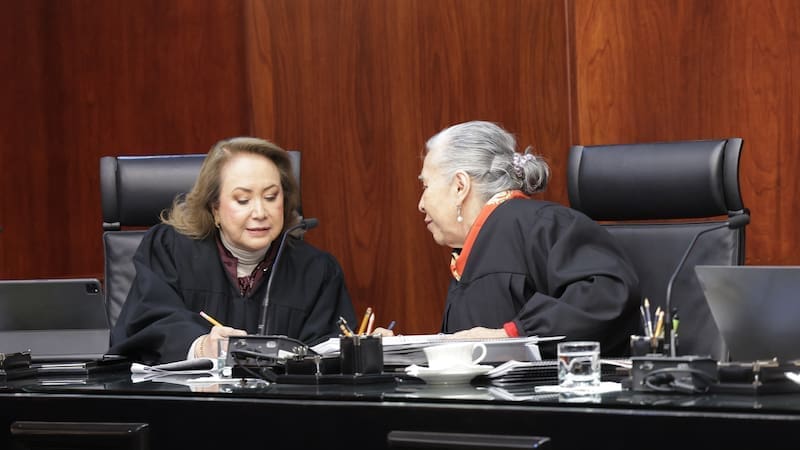
The Supreme Court of Justice of the Nation (SCJN) established a relevant precedent on equality by recognizing that domestic work and care work carried out during marriage or cohabitation can give rise to financial compensation when the relationship ends.
The Court pointed out that this mechanism seeks to recognize the economic impact and opportunity costs that may be faced by those who take on a greater share of household tasks and the care of daughters, sons, or other relatives who require attention. These tasks can limit opportunities for professional development and the ability to build assets.

In addition, compensation is not reserved exclusively for people who devote themselves entirely to the home: it can also cover double-shift situations, when a person combines paid employment with a greater burden of domestic and care work. The amount must be determined according to the particular circumstances of each case.
The Supreme Court recognizes the value of domestic work
The Supreme Court of Justice of the Nation states that the key point when analyzing financial compensation is to show that a person stopped fully developing their career in order to devote themselves to the home.

“The essential point to prove in a request for financial compensation is that the party requesting it assumed an opportunity cost during the relationship,” says the document prepared by the highest court.

This means that the person could have had greater job opportunities or income if they had devoted that time to paid work and not exclusively to domestic tasks and care work.
What household work can justify financial compensation
The Supreme Court explains that domestic tasks include many activities that often go unnoticed but sustain the daily functioning of families.
These include “the material performance of tasks inside the home, the organization of the family economy and the raising and education of daughters, sons, and nonbinary children,” in addition to caring for people with disabilities or those who require daily assistance.
These tasks can range from cooking, cleaning, or shopping to helping with schoolwork, managing household expenses, or providing emotional support to family members.
The evidence that can be presented before the courts to request payment
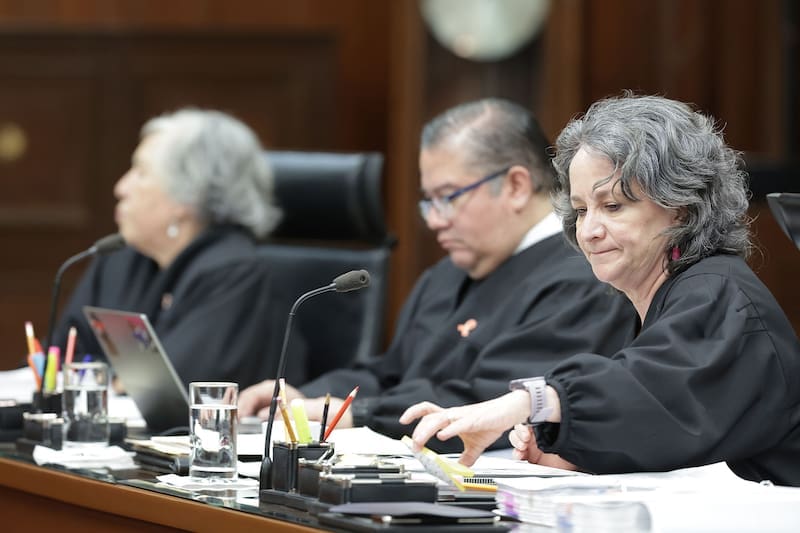
The Supreme Court recognizes that proving these tasks can be complex because many family decisions are made privately and do not generate formal documents.
“Agreements in the family are frequently carried out privately, and the performance of such work does not necessarily generate direct evidence,” warns the document from the highest court.
For this reason, judges can consider various forms of evidence such as testimony, bank statements, invoices, or even statistics and studies that help demonstrate the distribution of tasks in the home.

On the other hand, the Supreme Court establishes that the courts have the obligation to analyze these cases with an equality perspective.
This implies recognizing that historically women have taken on a greater burden of domestic and care work within families.