
En esta noticia
The Bureau of Alcohol, Tobacco, Firearms and Explosives (ATF) has changed how it enforces certain federal rules governing firearms covered by the National Firearms Act (NFA).
Under the new guidance, the agency will no longer enforce specific federal registration and prior-approval requirements for silencers and several other categories of firearms.
Announced on October 9, 2026, the policy also covers short-barreled rifles, short-barreled shotguns and certain concealable firearms legally classified as “any other weapons” (AOWs).

The change follows the U.S. Department of Justice’s decision not to appeal an August court ruling. Although the original injunction applied only to parties covered by the lawsuit, the administration decided to extend its nonenforcement policy to other individuals as well.
Which federal requirements will ATF no longer enforce?
Under the new guidance, ATF will stop enforcing certain NFA provisions governing the making, registration and transfer of the firearms covered by the policy.
The changes include the requirement to obtain prior ATF approval before making or transferring these items, as well as federal provisions requiring their inclusion in the National Firearms Registration and Transfer Record. Related tax-stamp and certain marking requirements are also covered by the policy.
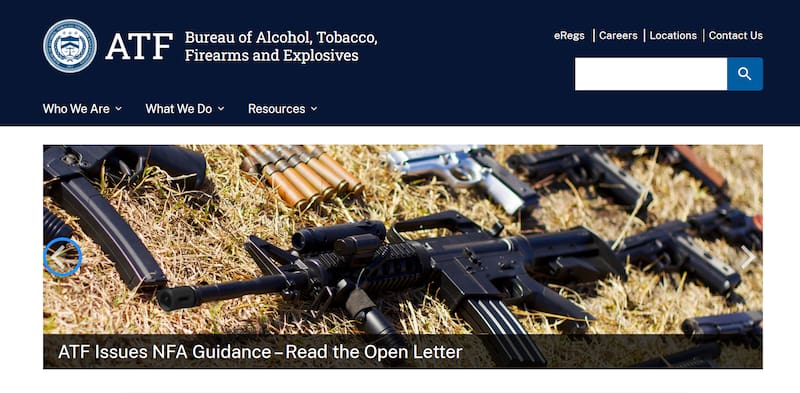
The affected categories include:
- Silencers or suppressors, devices designed to reduce the sound of a gunshot.
- Short-barreled rifles, which are subject to specific federal firearms regulations.
- Short-barreled shotguns, which fall under the NFA.
- Certain other concealable firearms, a legal category that includes specific weapons other than pistols and revolvers.
The policy does not mean these firearms are completely unregulated. ATF will continue enforcing other applicable federal laws, and the guidance is limited to the provisions covered by the agency’s new enforcement policy.

What gun laws and restrictions remain in effect?
State and local gun laws remain in force. The federal guidance does not give individuals blanket permission to possess or transfer silencers and other NFA firearms wherever they choose.
Federally licensed firearms dealers must still complete ATF Form 4473, conduct applicable background checks through the National Instant Criminal Background Check System (NICS) and maintain transaction records. Other requirements under the Gun Control Act also remain in place.
People transporting short-barreled rifles or short-barreled shotguns across state lines must still obtain the required federal authorization by filing Form 20, even if the firearm is not registered under the NFA.
The policy also does not eliminate the $200 federal tax that continues to apply to machine guns and destructive devices. Those categories remain fully subject to the NFA’s requirements. ATF will continue accepting voluntary registration applications as well.