
En esta noticia
Traveling abroad from the United States requires presenting a passport in proper condition for use because, at the State Department’s discretion, airlines can refuse to board passengers whose passports have certain kinds of damage, a situation that could affect those planning to depart from airports across the country, including those in New York, Florida, New Jersey and California.
The warning covers several types of damage, but not all signs of wear make a passport invalid because authorities distinguish between marks and damage that could compromise the travel document’s validity.
Federal rules set out the conditions under which a U.S. passport can be rendered invalid, while the agency warns about problems that may arise when trying to board an international flight.

Airlines in New York, Florida, New Jersey, California and other states can bar passengers from leaving the country
U.S. passengers planning to travel abroad from airports such as John F. Kennedy (JFK) in New York; Miami and Orlando in Florida; Newark Liberty in New Jersey; and Los Angeles and San Francisco in California, among others, should pay close attention to the condition of their documents. The U.S. State Department warns in its official passport FAQ that airlines may deny boarding or travelers may run into trouble leaving the country if they present a damaged passport.
The regulatory basis is found in Title 22 of the Code of Federal Regulations (22 CFR), Part 51. On Oct. 25, 2005, the State Department published an update to section 51.6 in the Federal Register, titled Damaged, mutilated or altered passaport (damaged, mutilated or altered passport). The rule said a document can be invalidated if it has undergone significant changes in appearance or composition, has a faulty electronic chip, shows unauthorized alterations or has deteriorated to the point that it is unfit for travel.
This is now covered under 22 CFR § 51.4(g)(5), which says a passport becomes invalid when the State Department takes possession of it or notifies its holder in writing.
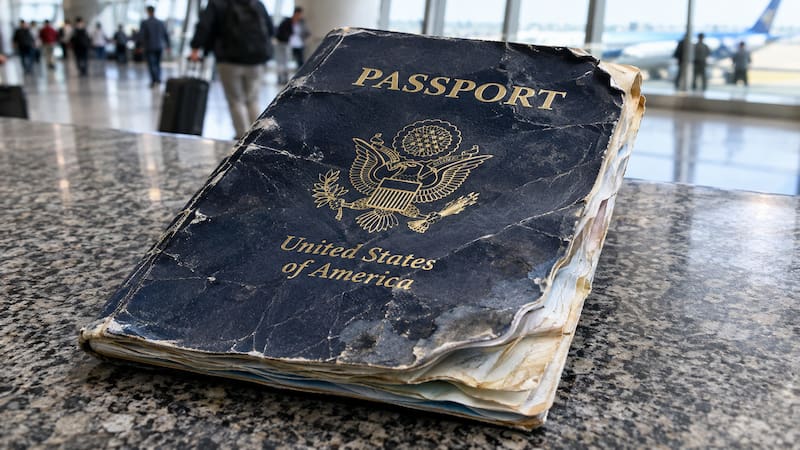
Torn, stained or damaged passport pages: what conditions can prevent travel
The State Department has an official classification of the damage that can compromise a passport’s validity. In its glossary, the agency distinguishes significant damage from the normal wear that can occur through use.
Conditions it identifies as damage include:
- Water stains: moisture can damage the document.
- Mold: its presence is also considered damage by the Department .
- Major tears: significant rips can compromise the passport’s integrity.
- Unauthorized marks: especially when they appear on the biographical data page.
- Torn or missing visa pages: the absence or tearing of these pages is also covered.
- Punctures: holes and other major damage can affect the document’s validity.
By contrast, not every sign of wear requires applying for a new document, because the agency says pages bent from keeping a passport in a pocket, creases that appear from opening and closing visa pages, and lightly frayed edges are part of normal wear and tear. As a result, those signs alone do not require a replacement because the difference is that the damage must not compromise the integrity of the travel document or its use as identification for travel.

What passengers can do if their passport is damaged and they have a trip planned
The State Department recommends applying for a new passport when the document has damage that could affect its validity.
To replace a damaged U.S. passport, the holder must apply in person and present the passport as damaged, along with a signed statement explaining how the damage occurred and Form DS-11, as well as supporting documents, a photo and payment of the required fees.