
By Pedro Bianco
En esta noticia
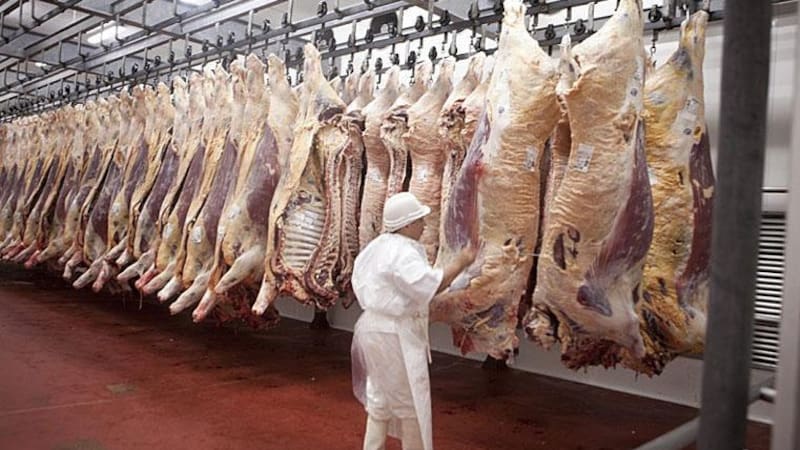
Food giant Tyson Foods shut down its beef plant in Joslin, Illinois, and left about 2,500 people out of work, mostly union workers who learned almost overnight. But the case is not isolated: It is part of a wave of slaughterhouse closures across the United States, driven by a deeper problem that will not be solved soon: cattle supply is at its lowest level in 75 years.


Tyson abruptly shut down an entire plant and put 2,500 employees on the street
Tyson decided to end operations at its Joslin plant in Illinois, one of its beef-processing facilities. The move affected about 2,500 unionized workers, who received letters during the week of Aug. 13, 2026, with their last days of work coming just days later.
Pay for employees was extended through Oct. 12, 2026. For a community that relied heavily on that source of jobs, the blow was sudden.
Ongoing closures: the crisis facing the meatpacking giant
The Joslin shutdown adds to a string of Tyson decisions involving its beef business. The company had already closed its Lexington, Nebraska, plant in January 2026, affecting more than 2,000 jobs, announced the closure of a facility in Eagle Mountain, Utah, and is seeking to sell another beef plant in Pasco, Washington. Together, these cuts amount to roughly a third of the beef-processing capacity the company had before.
Tyson’s beef division lost $142 million in a single quarter, with sales down 16% even though beef prices are high. For fiscal 2026, the company projects a loss of between $500 million and $650 million in its U.S. beef business.
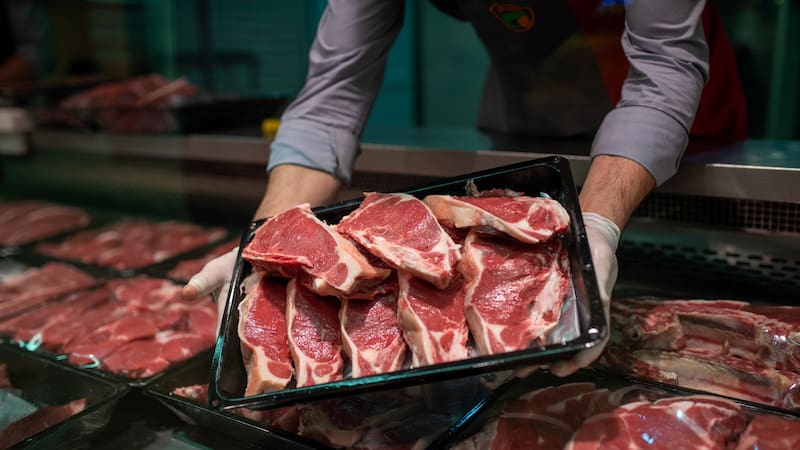
Why slaughterhouses are closing across the country
The United States now has the smallest cattle supply in 75 years: the herd, or total number of cattle, fell to its lowest level since 1951. And according to the official data Tyson itself cites, ranchers are not rebuilding their herds — meaning they are holding back few heifers for breeding — which points to continued shortages.
Behind that decline are several combined factors: years of drought that made raising cattle more expensive and difficult, disease outbreaks and a sharp rise in costs for producers (feed, fertilizer, machinery and fuel). With fewer animals to process, meatpacking plants are operating below capacity, becoming less profitable and ultimately closing.