
En esta noticia
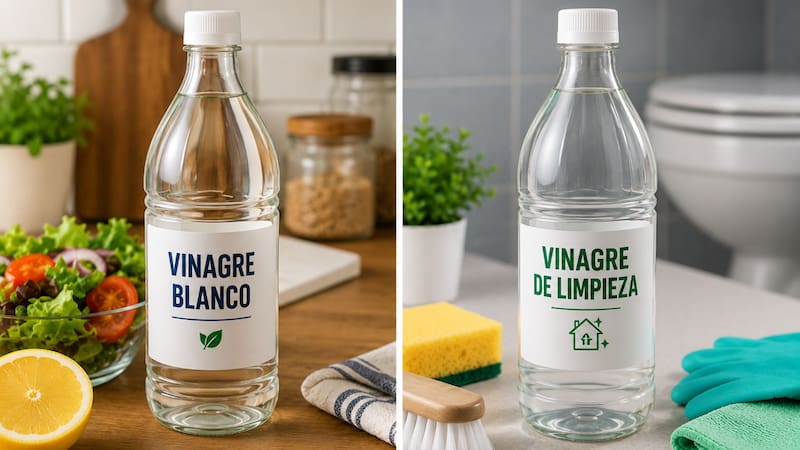
White vinegar and cleaning vinegar are often confused because they have a similar composition and both contain acetic acid. However, they are not exactly the same, since they differ in concentration, uses, and precautions to keep in mind before using them.
While white vinegar can be used both in the kitchen and for certain household tasks, cleaning vinegar is intended exclusively for household use.
That is why, before buying or using either variety, it is important to check the label and verify the acidity percentage, recommended use, and the manufacturer’s warnings.

What is white vinegar used for
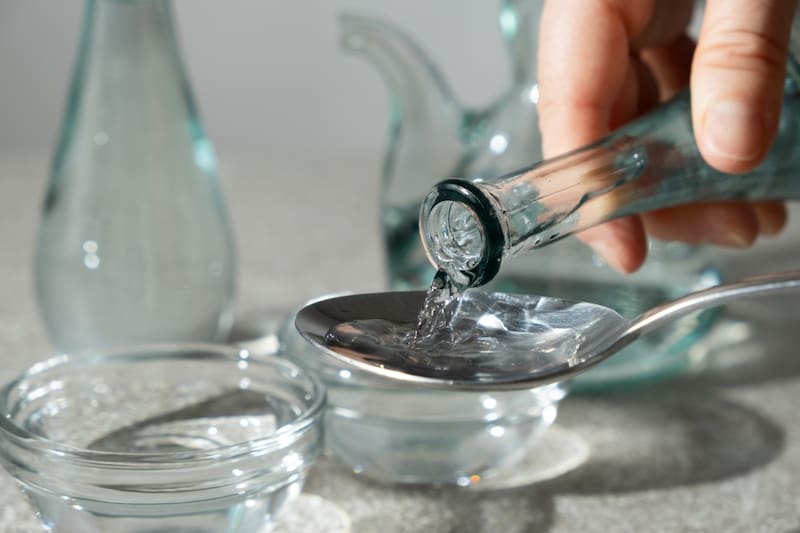
Distilled white vinegar is a food product made from alcohol derived from plants and contains acetic acid. According to Penn State Extension, the white and cider vinegars commonly used for pickling usually have 5% acidity.
Among its most common uses are:
- Making dressings: as an ingredient in vinaigrettes and other preparations.
- Preparing pickles: it provides the acidity needed for specific recipes.
- Marinating foods: it adds acidity to certain dishes.
- Making preserves: it is used in recipes whose acidity is designed to ensure safe preservation.
What cleaning vinegar is used for
Cleaning vinegar is used for a range of household tasks thanks to its acetic content, which helps dissolve mineral deposits, soap scum, and certain buildups of dirt. According to the American Cleaning Institute, vinegar can be used to clean some surfaces and fight certain odors.
Its main uses include:
- Removing limescale: it helps dissolve mineral deposits on faucets and showers.
- Removing soap residue: it can be used on certain bathroom surfaces.
- Cleaning glass: it helps remove some streaks and residue.
- Fighting certain odors: it can neutralize some household smells.
- Removing mineral deposits: it is useful for certain appliance-cleaning tasks, as long as the manufacturer allows it.
Why you should check the labels on cleaning vinegar and white vinegar
Although food-grade white vinegar and cleaning vinegar both contain acetic acid, they do not have the same concentration since, according to Penn State Extension, some cleaning vinegars can reach concentrations of between 11% and 30%, and there are even products with higher concentrations. That is why it should not be confused with food-grade vinegars or used for cooking or making preserves.
Before buying or using either variety, it is worth paying attention to these points:
- Acidity percentage: this shows the product’s acetic acid concentration.
- Intended use listed by the manufacturer: check whether it is designed for food use or strictly for cleaning.
- Safety warnings: some concentrated products require special precautions when handled.
- Directions for use: do not assume all products can be used straight or diluted in the same way.
- Surface compatibility: The American Cleaning Institute warns that vinegar can damage materials such as marble, granite, stone floors, and some wooden furniture.