
En esta noticia
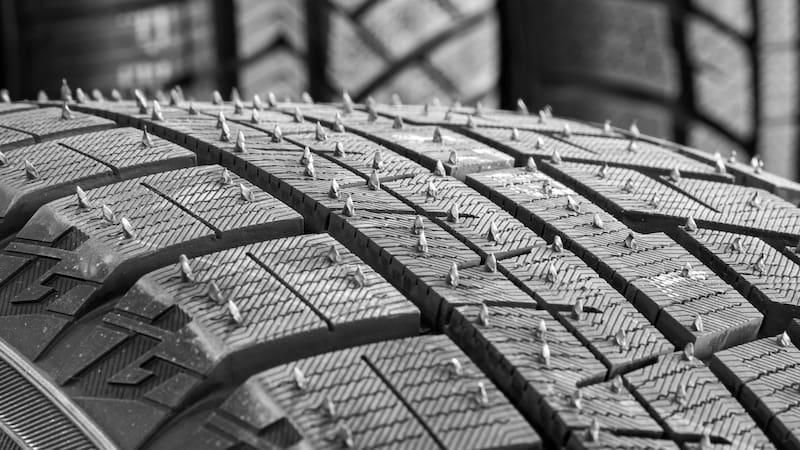
The small rubber whiskers that stick out of car tires have an explanation tied to how they are made and are not signs of wear, defects, or indicators of how old the tires are.
According to Japanese manufacturer Toyo Tires, these protrusions, technically known as vent spews or vent flash, allow trapped air to escape as the rubber takes its final shape inside the mold.
What tire whiskers mean and how important they are
The tire whiskers are small bits of leftover rubber that form during manufacturing. Although they may look like flaws, they are a normal result of the molding process.
Toyo Tires explained that “tire whiskers are formally known as vent spews (or vent flash)”. It also said they play an important role during production, but have no use once the tire leaves the factory, finished.
To understand where they come from, it helps to know that rubber is placed in a mold that is heated and pressurized. During that stage, the material expands until it takes on the tread pattern and shape of the tire.
The problem is that air bubbles can get trapped between the rubber and the mold. To prevent that, there are small channels that let the air escape. As it does, a tiny amount of rubber passes through those openings and hardens into filaments. That is why the whiskers can also appear in other parts of the tire.
Do tire whiskers mean the tires are new or in good condition?
Not necessarily. Although they are usually more visible on new tires, rubber whiskers do not indicate age, wear, or the safety condition of a tire.
A tire can keep some of these protrusions and still have other problems that are not visible to the naked eye. Likewise, if the whiskers are gone, that does not mean the tire needs to be replaced or is worn out.
What care do tires need
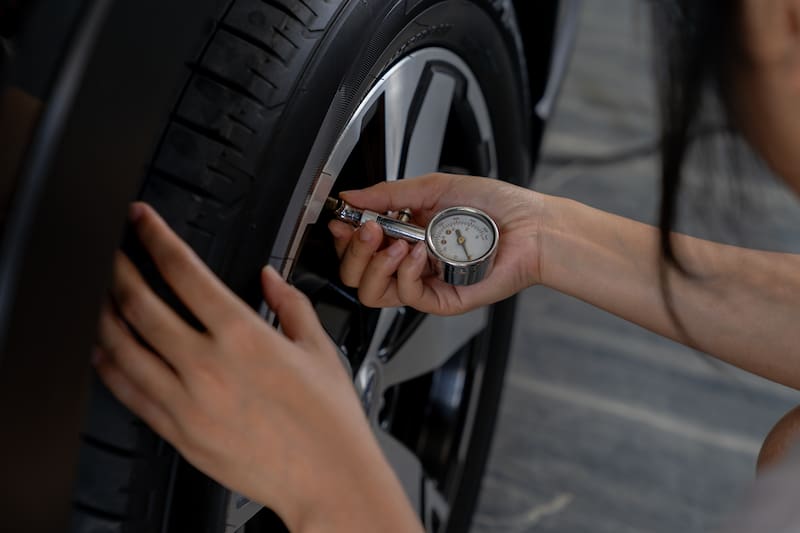
Routine maintenance is what helps extend tire life and reduce driving risks. The National Highway Traffic Safety Administration (NHTSA), through its TireWise program, recommends paying attention to:
- Check the pressure regularly, preferably when the tires are cold, and follow the vehicle maker’s recommended levels.
- Inspect the tread for excessive or uneven wear.
- Check for damage to the sidewalls and the portion that contacts the road.
- Rotate, balance and align the tires when appropriate, following the manufacturer’s recommendations.
- Check safety notices and recalls to see whether your tires are affected by any issues.