
En esta noticia
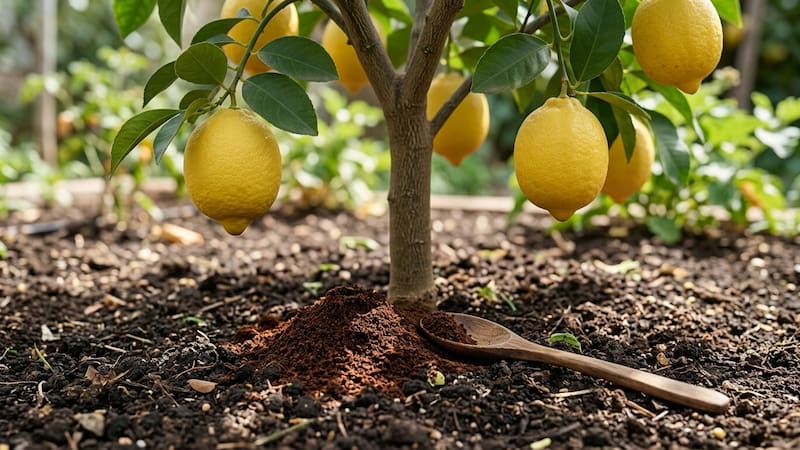
Coffee grounds are a common home gardening trick, and lemon trees are no exception. The leftovers from brewing coffee contain organic matter and small amounts of nutrients that can be used in the garden, although their benefits depend on how they are used.
Before spreading used coffee directly on the soil, it is worth knowing what effects it may have and the best way to add it. Recommendations from universities specializing in gardening say the grounds can be used as an ingredient in compost, but warn that applying them in large amounts and without treatment can harm some plants.
To care for a lemon tree, it is important to know how to reuse this waste without affecting the soil or roots, and what mistakes to avoid.


What putting coffee grounds in the soil around a lemon tree does
Coffee grounds can be used in the garden because coffee leftovers contain nitrogen, phosphorus, potassium and some micronutrients that can be added to the soil, according to the University of Connecticut.
One of the most recommended uses is to add them to compost, along with other organic waste. During decomposition, these materials turn into compost, which can help improve soil structure and provide nutrients gradually.
Oregon State University notes that coffee grounds can be a useful resource for the garden if used in moderation and if the lemon tree’s basic needs for watering, drainage and nutrition are met.

How to use coffee grounds to care for a lemon tree
To make use of coffee grounds, one of the most prudent uses is to add them to a compost pile. In this sense, South Dakota State University recommends mixing the grounds with other organic materials and letting them break down for several months before using them in the garden.
The process can be followed in these steps:
- Save the used grounds: let them cool after brewing the coffee and set them aside for composting.
- Mix them with other organic waste: combine them with dry leaves and plant scraps to balance the materials in the pile.
- Let them decompose: keep the compost moist, aerate it periodically and wait until the material is fully mature before applying it.
- Work the compost into the soil: spread a moderate amount over the soil around the lemon tree, without piling it up against the trunk.