
En esta noticia
A kitchen sponge can accumulate a large number of microorganisms because of its porous structure, moisture and frequent contact with food scraps and surfaces.
What Putting a Kitchen Sponge in the Microwave Does
The use of microwaves appears in the study as one of the sanitation methods already analyzed in earlier research.
The study that specifically looks at the microwave is Sharma, Eastridge and Mudd (2009), “Effective household disinfection methods of kitchen sponges,” published in Food Control 20: 310–313 and conducted at the USDA Agricultural Research Service.
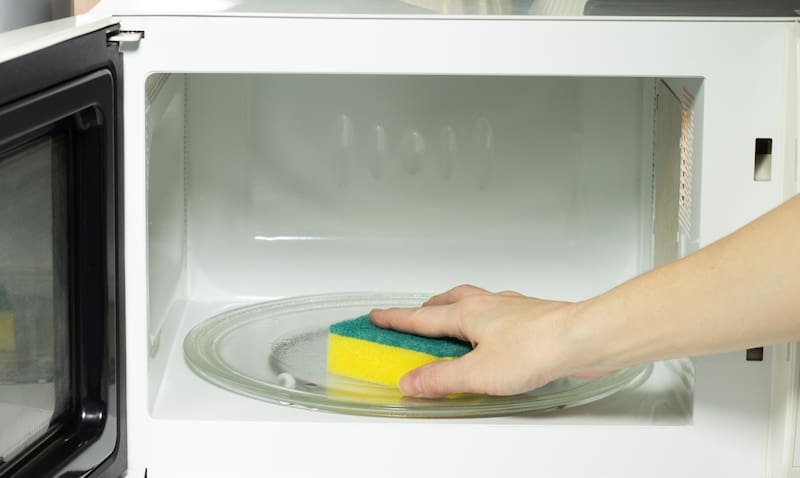
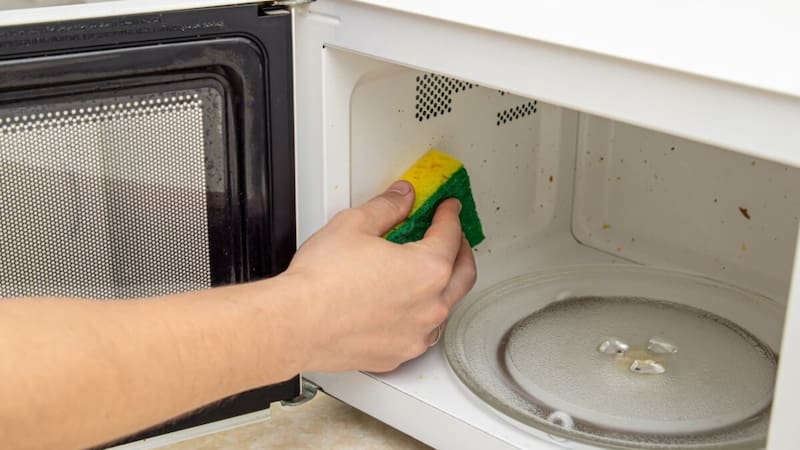
Researchers soaked kitchen sponges for 48 hours in a ground beef solution and culture medium, until they reached about 20 million microorganisms per sponge. They then applied different treatments: 10% bleach, lemon juice, deionized water, one minute in the microwave at full power or one dishwasher cycle.
The microwave eliminated 99.99999% of the bacteria and the dishwasher, 99.9998%. Both methods also reduced yeasts and molds to less than 1%, leading the authors to identify them as the most effective of those tested.
What Scientists Found on Sponges
Another analysis in the scientific journal Scientific Reports examined the bacterial microbiome of sponges used in homes and found significant microbial diversity. That study identified a broad bacterial community. Researchers found 362 bacterial groups after applying the filters used in the study and observed especially high concentrations of bacteria in certain areas of the sponges.
Microscope observations showed that the bacteria were concentrated especially in the internal cavities and surfaces of the material. In some heavily colonized spots, local densities reached as high as 5.4 x 10¹⁰ bacterial cells per cubic centimeter of sponge material.

Among the most abundant microorganisms were bacteria related to the genera Acinetobacter, Moraxella and Chryseobacterium. The authors made clear that genetic relatedness to certain species considered risky does not, by itself, mean the bacteria found were pathogenic.