
En esta noticia
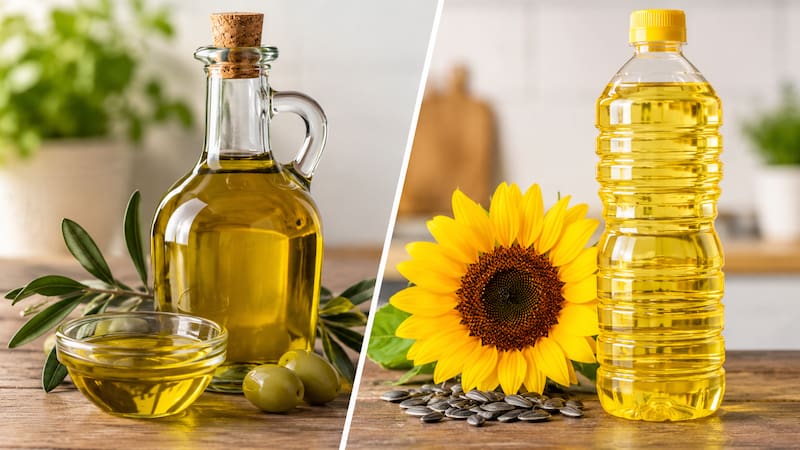
Olive oil and sunflower oil have important differences in their nutritional composition and properties. According to Mónica Bulló, a researcher at the Center for Biomedical Research in the Network on Obesity and Nutrition Pathophysiology (CiberOBN), and Ramón Estruch, a researcher at Barcelona’s Hospital Clínic, both contain healthy fats, although olive oil, especially extra virgin, offers additional benefits.
One of the main differences is the type of fatty acids they contain. Olive oil is known for its high content of monounsaturated fats, mainly oleic acid, while sunflower oil has a larger proportion of polyunsaturated fats, such as omega-3 and omega-6 fatty acids. Both contribute to cardiovascular health and may help control cholesterol levels, blood pressure and inflammatory processes.
Sunflower oil, meanwhile, stands out for its vitamin E content, an antioxidant that helps protect cells from oxidative damage. Extra virgin olive oil, however, contains other compounds that expand its nutritional benefits.

Which oil is the healthiest to consume?
Experts agree that extra virgin olive oil is the most complete option from a nutritional standpoint, making it ideal for consumption. In addition to its oleic acid content, it contains polyphenols such as tyrosol and hydroxytyrosol, which have antioxidant and anti-inflammatory properties and help protect cardiovascular health.

It also provides natural pigments such as chlorophylls and carotenoids, which influence its color, aroma and flavor. These compounds are preserved because it is obtained from olives through mechanical processes, without chemical extraction or refining.
Sunflower oil, by contrast, is obtained from the plant’s seeds and usually goes through extraction and refining processes that reduce the presence of certain natural compounds.
What is the best oil for frying and cooking?
Extra virgin olive oil is a suitable choice both for raw use and for cooking, even in preparations that require frying. Its composition makes it more stable at high temperatures, so it resists oxidation better during cooking.
Conventional sunflower oil, because of its higher proportion of polyunsaturated fats, is less heat-resistant. For that reason, if this option is chosen for cooking, experts recommend high-oleic sunflower oil, which contains more oleic acid and has a composition closer to that of olive oil.

Which oil is worth buying?
From a nutritional standpoint, extra virgin olive oil is the most recommended option for regular use, since it combines healthy fats with antioxidants and other beneficial compounds.
Regular consumption has been linked to lower cardiovascular mortality and a lower risk of developing certain chronic diseases.
Still, sunflower oil can also be part of a balanced diet and is a more affordable alternative. If you want to use it for cooking, it is best to choose the high-oleic variety because it can better withstand high temperatures.
In short, both oils provide beneficial nutrients, but extra virgin olive oil stands out for its composition and additional properties. The choice may also depend on budget, the type of preparation and how often it is used.