
En esta noticia
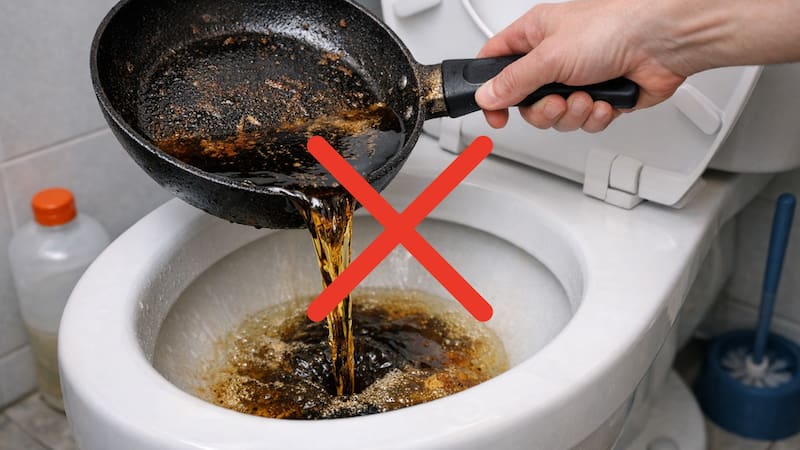
Although it is not a very well-known fact, flushing oil down the toilet or any other place where it mixes with water has a major environmental impact and can cause problems in the pipes.
This is a completely avoidable consequence, since oil can be recycled and turned into new products. For it to enter these processes, it must be prevented from coming into contact with water, since it can contaminate up to 1,000 liters of water.
How does used oil contaminate the water?
When used oil comes into contact with water, it forms a film on the surface that makes oxygen exchange difficult. This affects fish, plants, and other organisms that live in the water.
Additionally, it can clog pipes and sewer systems because it adheres to the walls of the pipes, making the process of treating wastewater more complex and expensive.
Finally, the aspect that worries experts the most is that oil can take up to 15 years to fully decompose.
Where should it be thrown away?
To recycle it, the ideal thing is to follow these steps:
- Let it cool completely.
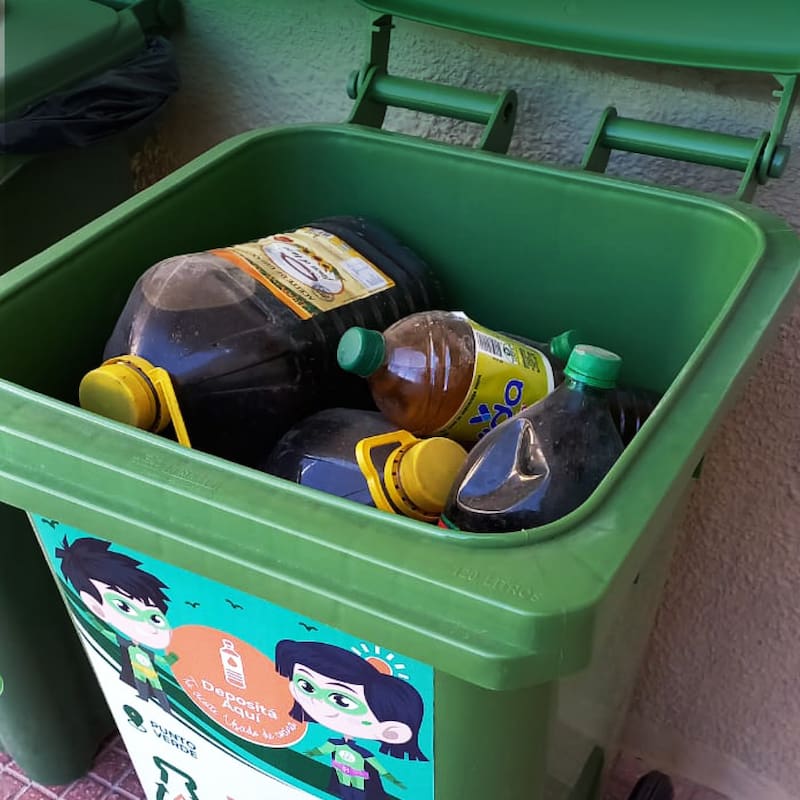
- Strain it to remove residue and pour it into a plastic bottle or container with a lid: it is important to seal it well to avoid spills.
- Take it to a collection point or oil recycling facility.
If there are no such points, specialists recommend disposing of it with the rest of the waste and avoiding pouring it into a drainage system.
What products are made with used oil?
When oil is properly recovered, it can be used to create:
- Biofuels such as biodiesel.
- Soaps.
- Candles.
- Other industrial products.