

En esta noticia
Driving under the influence of certain medications can lead to a fine in Mexico, even when the driver has a prescription that justifies taking them.
That is established in Article 93 of the Federal Highway and Bridge Traffic Regulations, which prohibits driving when there is a psychophysical impairment that affects the ability to drive.
The rule covers psychotropic substances and narcotics, as well as medications that produce those effects and any other drug whose use affects the conditions needed to drive.

What does Article 93 say about driving under the influence of medication?
The regulations state expressly that driving while psychophysically impaired or under the influence of alcohol, psychotropic substances, narcotics and medications that affect driving ability. It also makes clear that a medical prescription does not exempt a person from this ban.
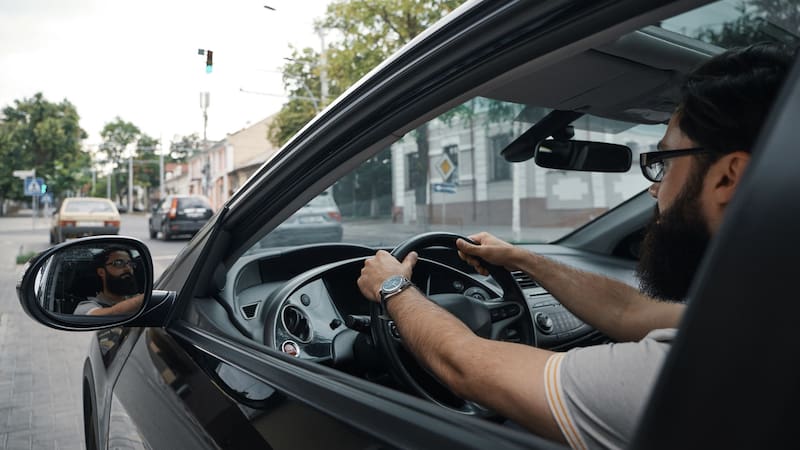
The restriction is intended to prevent drivers from getting on the road when they are not in condition to drive safely.
How much is the fine for driving under the influence of medication?
Article 93 sets a fine of 50 to 55 times the daily fee established in the regulations, equivalent to between $5,865.50 and $6,452.05 pesos, for those who commit this violation.
In addition, drivers must submit to screening tests when requested by authorized medical personnel from the Ministry of Infrastructure, Communications and Transportation (SICT) or members of the National Guard. Refusing to take these tests is also punishable under the same article.
The provision also states that the National Guard will turn the driver over to the competent authority and notify the authority that issued the license.