
En esta noticia
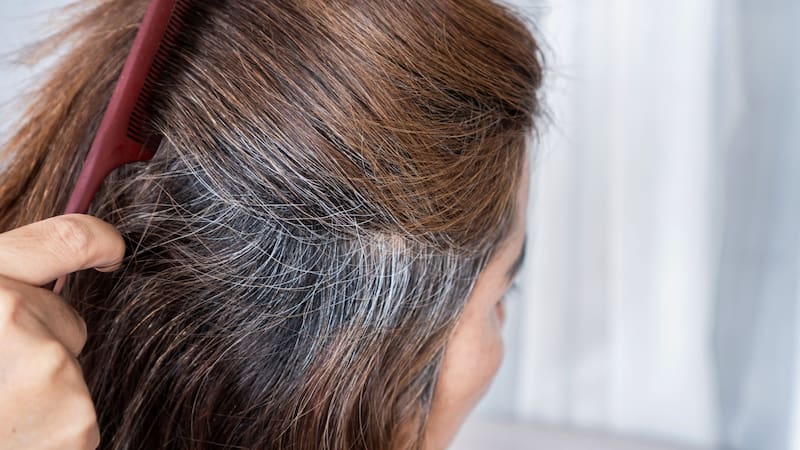
Gray hair appears when hair follicles stop producing melanin, the pigment that gives hair its color. Although it is a natural part of aging, many people look for alternatives to hide white hairs without turning to traditional chemical dyes.
One option is henna, a plant-based dye that can be used to color hair. The American Academy of Dermatology (AAD) includes it among the natural alternatives for covering gray hair and says it may be gentler on the scalp than some synthetic products.
However, there are important differences in how long it lasts, the shades it can produce and the upkeep it requires.


What henna is and how it helps cover gray hair
Henna is a plant dye made from a plant known as Lawsonia Inermis. It has been used for centuries to color hair and is presented as an alternative to synthetic coloring products.
According to the American Academy of Dermatology, natural dyes such as henna can be gentler on the scalp than synthetic dyes. Its role is to add pigment to hair and conceal white hairs without relying on conventional coloring.
Natural henna usually leaves coppery, orange, reddish or reddish-brown tones. The result depends on the hair’s original color, the amount of gray hair and the makeup of the product used.
How long henna lasts in hair and how often it needs to be applied
One of the main differences between henna and permanent dyes is how long the color lasts.
The American Academy of Dermatology warns that natural dyes such as henna tend to lose intensity faster than synthetic dyes. For that reason, more frequent touch-ups are needed to maintain the result.
Unlike permanent color, which can keep its tone for longer, henna requires regular maintenance. How often it needs to be reapplied depends on hair growth, washing and how much color you want to keep.
What precautions to take before using henna to cover gray hair
Even though it is plant-based, henna is not free of precautions. The U.S. Food and Drug Administration (FDA) warns that some products marketed as henna may contain additional ingredients to alter the color or extend how long it lasts.
One of the main risks is linked to so-called black henna, which can contain paraphenylenediamine (PPD), an ingredient used in certain hair dyes that can cause serious allergic reactions.
The FDA explains that natural henna usually produces brown, orange or reddish tones. To achieve darker colors, some manufacturers add other substances, so it is important to check the ingredients before buying the product.

To reduce the risks, it is a good idea to:
- Review the product’s full ingredient list.
- Choose henna specifically intended for hair coloring.
- Avoid products marketed as black henna.
- Follow the manufacturer’s instructions.
- Consult a dermatologist if you have a history of allergies or reactions to hair products.
The FDA also notes that henna is approved for use as a hair dye, but not for direct application to the skin for decorative purposes.