
En esta noticia
The appearance of pests in gardens can affect the growth and health of plants, especially when insects feed on their leaves, stems, or sap.
However, according to Oregon State University, it is not always necessary to resort to insecticides, since there are low-environmental-impact alternatives.
What are the five most common pests in gardens?
According to Heather Stoven, associate professor and horticulturist at Oregon State University, when pests appear, the situation should be assessed and a strategy adopted.
First of all, it is important to know how to recognize the main garden pests:
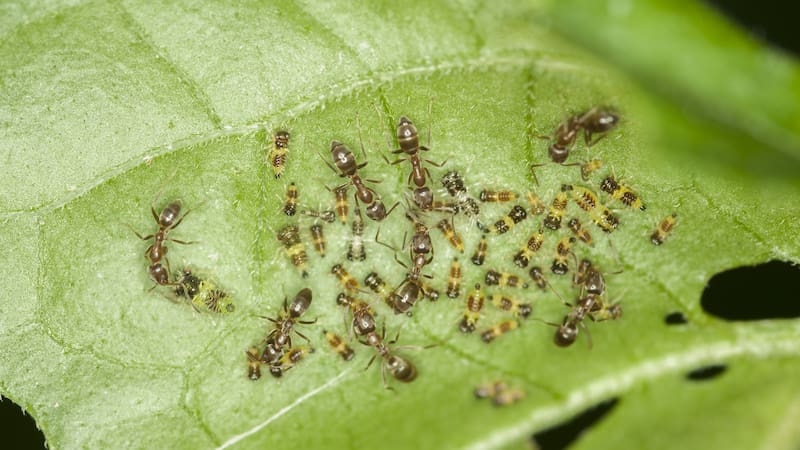
- Aphids: Small insects that feed on plant sap and usually concentrate on tender shoots, such as those of rose bushes.
- Azalea lace bugs: Insects that mainly affect azaleas and rhododendrons and can be difficult to control.
- Cabbage white butterflies: They lay eggs on plants, and their caterpillars feed on the leaves, especially in crops such as cabbage.
- Cucumber beetles: Insects that attack cucumber crops and mainly damage the foliage.
- Flea beetles: Small insects that feed on different crops and can especially affect young plants.
Although not all cause serious damage, it is important to know how to identify them in order to apply the appropriate treatment and prevent them from spreading.
How to get rid of each one and keep them from coming back
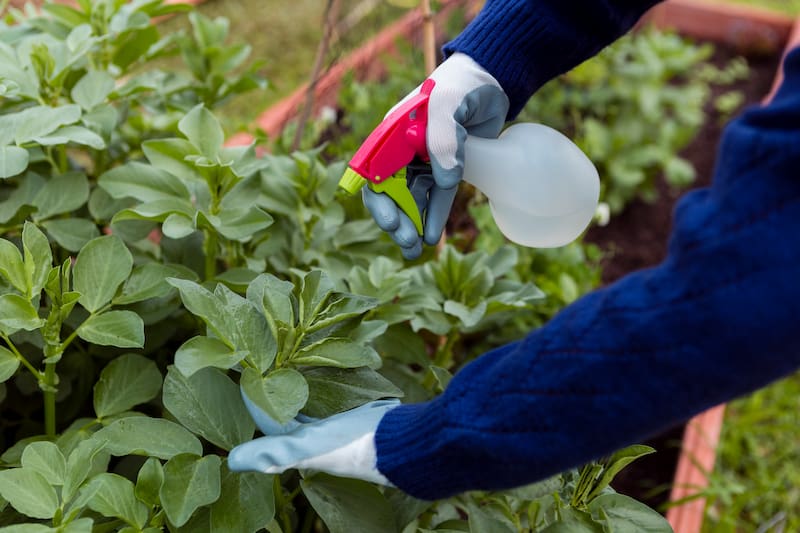
Oregon State University recommends starting with preventive physical methods before resorting to chemicals because some insecticides could harm pollinators and other organisms.
According to the institution’s recommendations, the measures to control each pest are as follows:
Aphids
Remove them with a jet of water or pick them off by hand. To reduce new infestations, it is recommended to attract their natural predators, such as ladybugs, by means of marigold, echinacea, dill, and yarrow flowers.
Azalea lace bugs
Use soaps or horticultural oils that adequately cover the affected areas. In severe cases, replace infested shrubs with resistant varieties and avoid systemic insecticides when pollinators are present.
Cabbage white butterflies
Install floating protective covers to prevent them from laying their eggs and keep them on during the growing season. The undersides of leaves should also be checked and caterpillars removed by hand.
Cucumber beetles
Place protective covers at the beginning of the season. If the plants are developed and the damage is minor, intervention is not always necessary. Use insecticides approved for food crops only when necessary.
Flea beetles
Plant earlier so the crops develop before greater pressure from these insects, use protective covers, and interplant radishes as trap plants. If the infestation is severe, the university considers applying suitable products only to the leaves of the radishes to protect nearby crops.
As for preventing new infestations, the specialist recommends maintaining balanced watering, leaving space between plants to promote air circulation, pruning regularly, and avoiding excess fertilizer.