
En esta noticia
US Citizenship and Immigration Services (USCIS) increased several immigration-related fees for fiscal year 2027, including costs for asylum applicants, Temporary Protected Status (TPS), and work permits. The new costs took effect in mid-October and apply to requests postmarked on or after that date.
The adjustments are tied to inflation and affect certain fees established under the H.R. 1 law. Not every immigration application became more expensive, however, and some fees, including the initial asylum application fee, remain unchanged.

Which immigration fees will increase in 2027?
USCIS raised several fees by $3 to $30, depending on the type of application. The updated amounts include:
- Annual fee for pending asylum applications: increased from $102 to $105.
- Initial work permit for asylum applicants: increased from $560 to $570.
- Initial work permit for parole recipients: increased from $560 to $570.
- Initial work permit for TPS beneficiaries: increased from $560 to $570.
- TPS application fee (Form I-821): increased from $510 to $520.
- Immigration parole fee: increased from $1,020 to $1,050.
These adjustments are part of the annual inflation review required by H.R. 1. USCIS calculated the increases using the change in the Consumer Price Index for All Urban Consumers between July 2025 and July 2026.
Which immigration fees did not change?
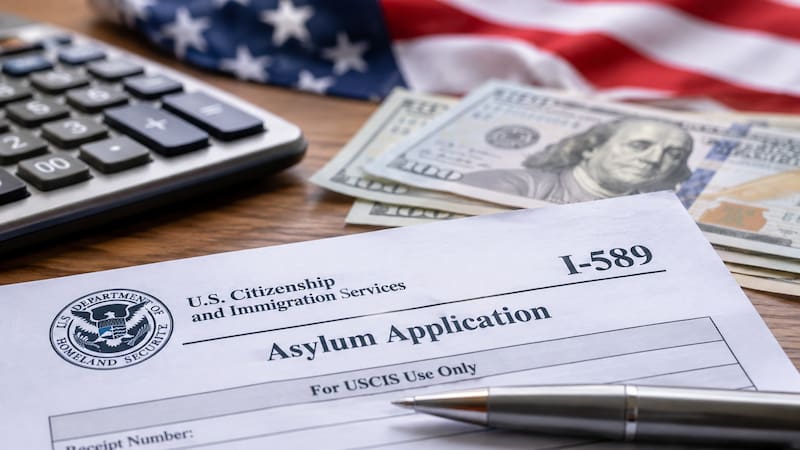
Not all asylum-related costs increased for fiscal year 2027. The initial fee for filing an asylum application using Form I-589 remains $100, while the fee to renew or extend an asylum applicant’s work permit remains $275.
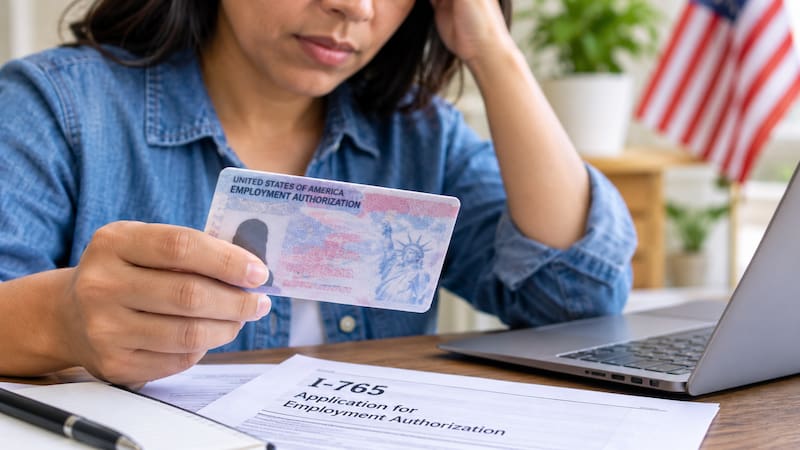
Comprehending this distinction is crucial because the annual asylum fee is separate from the initial application fee. People with pending asylum applications may have to pay the annual charge, but the amount they pay to file Form I-589 has not increased.
What happens if you submit an application with the old fee?
USCIS requires applicants to use the updated amounts for covered requests postmarked on or after October 16, 2026. Applications submitted with an incorrect payment may be rejected, according to the agency.
Before mailing an application, applicants should check the current fee for their specific form and category on the USCIS website. The adjustment does not apply to every immigration filing, so using a general fee amount instead of checking the requirements for the individual application could lead to a rejection.