
En esta noticia
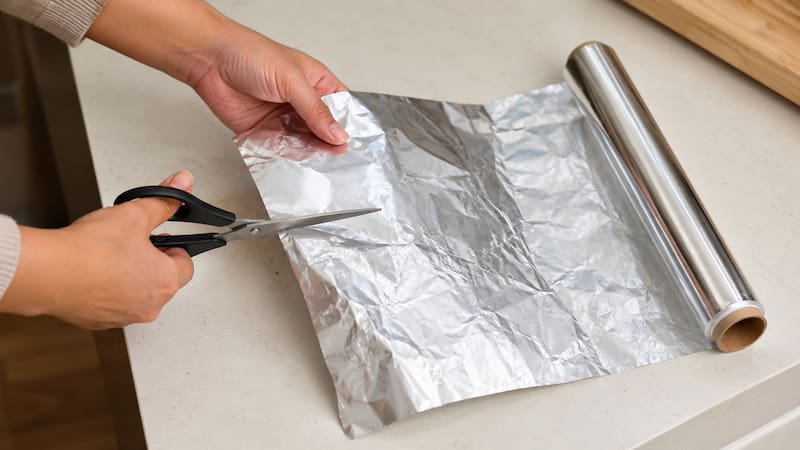
Aluminum foil is a common kitchen staple, but it can also be used for some household cleaning tricks. One technique making the rounds involves combining it with baking soda and hot water in a dish to treat certain metal items.
The recommendation is aimed especially at silver pieces that lose their shine and develop dark spots over time. According to Martha Stewart magazine, this combination allows for a homemade cleaning method through a simple process that does not require scrubbing the items.
The method has a chemical explanation, since a electrochemical reaction occurs between the aluminum and the silver that helps remove the tarnish.
How to clean silver items with aluminum foil, baking soda and hot water
A homemade method for cleaning silver items involves placing aluminum foil on the bottom of a container, adding hot water and baking soda, and submerging the pieces with dark spots. The process removes some of the tarnish without the need to scrub the surface with abrasive products.
Martha Stewart magazine explains this technique as an alternative for restoring the shine of silverware and other silver items. To do it, they recommend using a dish, lining it with aluminum foil, adding hot water, baking soda and salt, and stirring until the ingredients dissolve.
Once the container is prepared, the silver pieces should be placed inside and kept in contact with the aluminum, since during the process a chemical reaction occurs that helps remove the tarnish. When finished, remove the items, rinse them with water and lift them out carefully with a soft cloth.
What chemical reaction occurs between aluminum foil and silver
Silver tarnish forms when the metal comes into contact with sulfur compounds in the environment. That interaction creates silver sulfide, a dark layer that changes the appearance of silverware, trays and other items.
The University of California, Davis explains that contact between the silver and the aluminum triggers an electrochemical reaction in which the aluminum loses electrons and oxidizes, while the silver sulfide is reduced and turns back into metallic silver. In this way, the tarnish is transferred to the aluminum without needing to remove silver from the piece through abrasive polishing.
The baking soda and hot water help the reaction take place because they take part in a chemical exchange, while the temperature helps the process develop. It is worth noting that direct contact between the aluminum and the silver is essential for the electrochemical circuit to be completed.