
En esta noticia
In a baseball game, a ball that looks destined to become a home run can turn into something completely different because of a fan’s intervention. The Major League Baseball (MLB) rulebook covers situations in which a fan can interfere with play without ever entering the field.
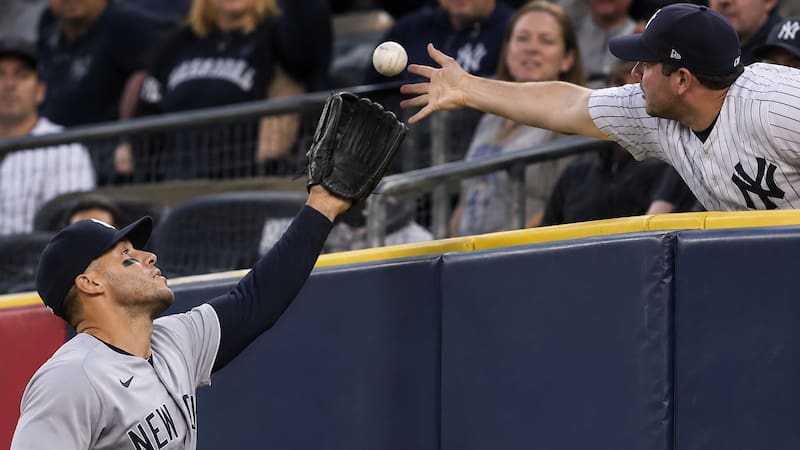
According to MLB’s spectator interference rules, these situations can happen when someone reaches over, under or through a barrier and interferes with a live ball or a fielder. Depending on the circumstances, umpires can declare the batter out or change the outcome of the play.

What does the MLB rule say about fans interfering with a home run?
MLB says spectator interference occurs when a fan enters the field of play or reaches for a ball or a player through the barriers that separate the stands from the field.
One of the most common cases is when someone reaches over the outfield wall and prevents a fielder from catching a fly ball.
If the interference clearly prevents the player from making the catch, umpires can rule the batter out, even when the ball appeared to be headed into the stands.
However, the rule distinguishes this from another situation in which the fielder is trying to catch a ball that has already crossed the plane of the wall.
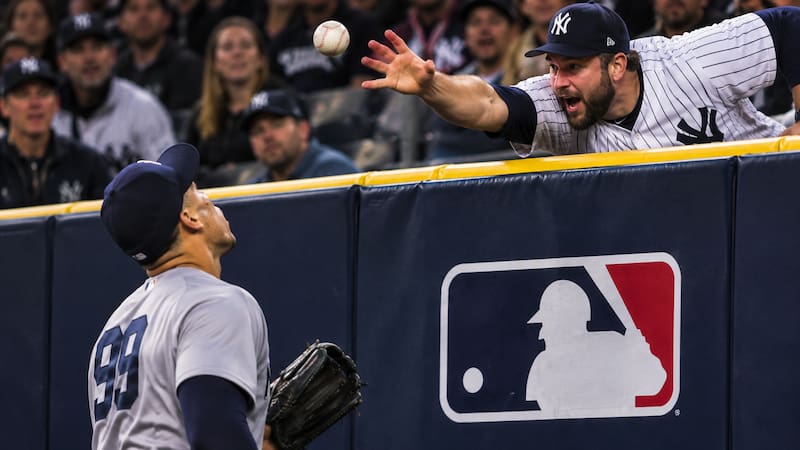
In that case, if the player reaches into the stands and a fan touches the ball, the action does not necessarily count as interference. If the ball had already crossed the boundary of the field as a home run, the run could stand.
When interference is ruled, the ball is dead, and umpires apply the rulings they deem necessary to nullify its effects.
What MLB games were changed by fan interference?
MLB cites several episodes in which fan involvement affected umpiring decisions during important games.
One of them came in Game 4 of the 2024 World Series, when a Yankees fan grabbed the glove of Dodgers player Mookie Betts as he tried to complete a catch. Umpires ruled Gleyber Torres out for interference.
Another case came in Game 1 of that same World Series. Torres hit a ball that initially looked like a home run, but a fan reached over the wall and caught it before it crossed into the stands.
Umpires ruled that there was interference and the play was scored as a double, since the umpires determined the fan had interfered with the ball.
These examples show that fan interference does not always lead to the batter being out. The ruling depends on where contact occurred, the path of the ball, and the defender’s chances of completing the play.