
En esta noticia
Food cleaning before consuming it is a fundamental practice to reduce the risk of diseases transmitted by food. However, using certain products to wash fruits and vegetables can have the opposite effect and represent a health risk.
The United States Food and Drug Administration (FDA) sets out a series of recommendations for properly handling fresh produce and warns about a habit that many people may consider more effective for removing dirt and bacteria.
According to the agency, although washing can help reduce the bacteria present on the surface of fruits and vegetables, it does not eliminate them completely. That is why it is essential to do it the right way.
The FDA warns that fruits and vegetables should not be washed with soap or detergent
The FDA advises against using soap, detergent, or commercial products intended for washing fruits and vegetables. The reason is that these foods are porous and can absorb substances even after being carefully rinsed.
According to the agency, residue from soap and household detergents absorbed by food can cause illness. In the case of commercial products specifically intended for washing vegetables, the FDA says that the safety of their residue is unknown and that their effectiveness has not been proven.
The recommendation is important because fresh produce can become contaminated at different stages. Bacteria can come into contact with fruits and vegetables through soil or water during growth, but contamination can also occur after harvest, during storage or preparation.
How should fruits and vegetables be washed properly?
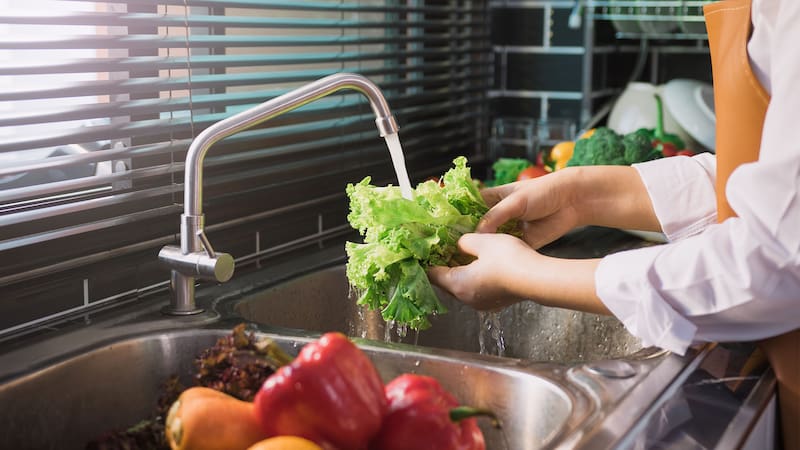
The FDA recommends thoroughly washing fruits and vegetables under running water before preparing or eating them, even when they were grown at home or purchased at supermarkets and farmers’ markets.
To do it safely, the agency advises:
- Wash your hands with soap and water for at least 20 seconds before and after handling food.
- Cut off and discard damaged or bruised parts and throw away products that show signs of rot.
- Wash fruits and vegetables under running water before eating, preparing, or peeling them.
- Scrub firmer produce, such as melons and cucumbers, with a clean brush intended for fruits and vegetables.
- Then dry them with a clean cloth or paper towel to further reduce any bacteria that may remain on the surface.
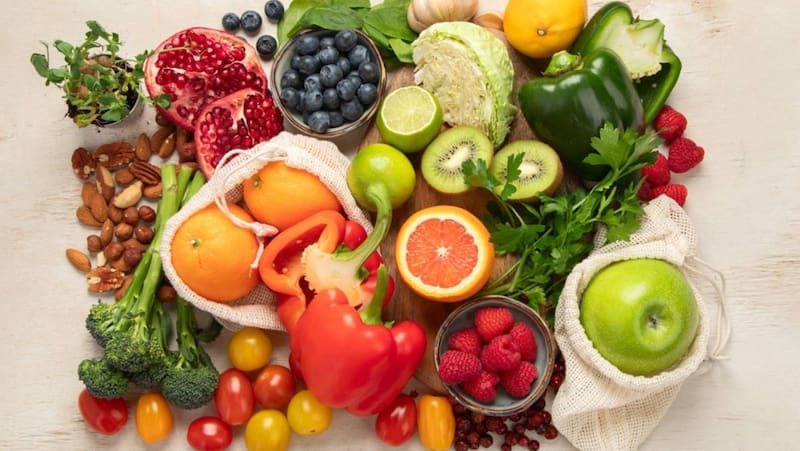
Even if the peel is going to be removed, the FDA recommends washing it first. This reduces the chance of transferring dirt or bacteria from the surface to the inside with the knife or during peeling.
On the other hand, fruits and vegetables that say on their packaging that they were “pre-washed” or are “ready to eat” do not need to be washed again. If one chooses to do so anyway, they should be kept away from dirty surfaces and utensils to avoid cross-contamination.