
En esta noticia
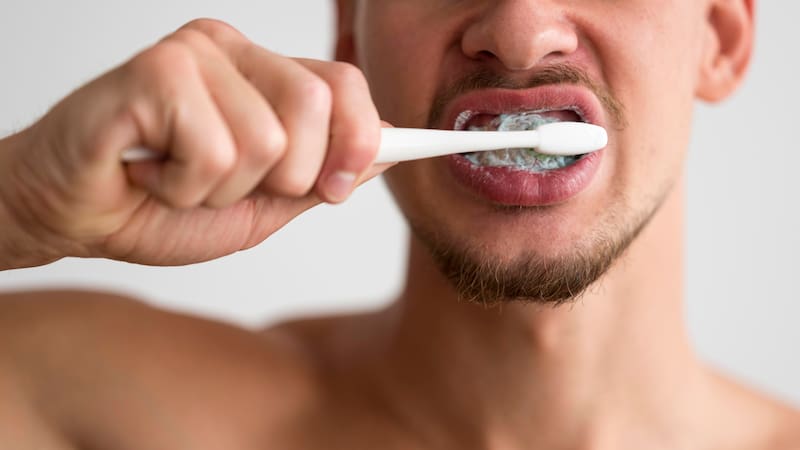
It is such a routine gesture that almost no one pays attention to it, but using a toothbrush longer than recommended affects cleaning and, with it, oral health. On this point, dentists broadly agree: a toothbrush has a lifespan and should be replaced regularly.


How often should you replace your toothbrush?
The dental consensus, backed by the American Dental Association (ADA), is that you should replace your toothbrush every 3 to 4 months, or sooner if the bristles look worn. The same recommendation applies to electric toothbrush heads. That is not an arbitrary timeframe, but the point at which a daily-use toothbrush begins to lose effectiveness.
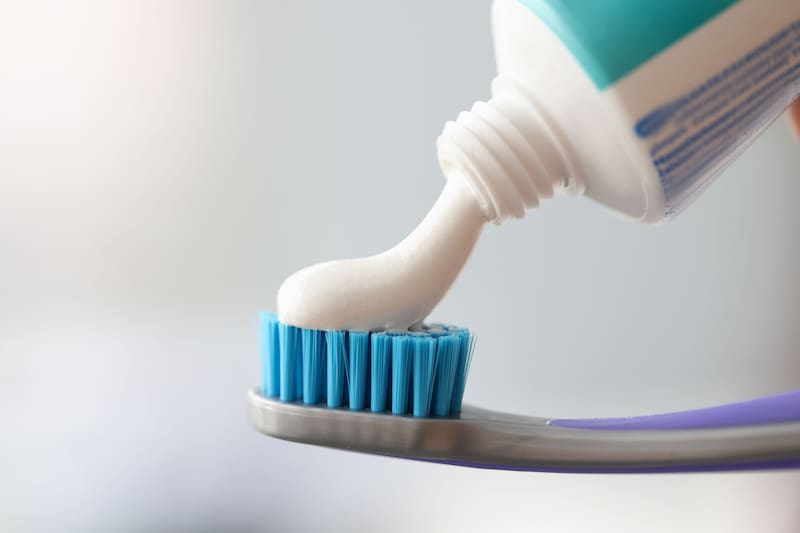
The main reason has to do with the condition of the bristles. With daily use, the bristles bend, spread out and wear down, losing their original shape. A toothbrush with misshapen bristles cleans less effectively: it does not remove plaque as well from the teeth and gum line, which is what causes cavities and gum problems. In other words, the problem with an old toothbrush is mainly mechanical: worn bristles do a worse job.
Signs it is time to replace it
Beyond the calendar, the toothbrush itself gives clues. It should be replaced when:
- The bristles look splayed, bent or “messy” instead of straight and even.
- The toothbrush looks flattened or misshapen.
- The bristles have changed color or look worn.
If the bristles spread out before three months, it may be a sign you are brushing with too much force, something worth correcting because it can also damage the gums.
When it is worth replacing it sooner
There are situations in which you do not need to wait three or four months:
- Children’s toothbrushes usually wear out faster, so they should be checked and replaced more often.
- After an illness (such as the flu or strep throat), many professionals recommend replacing the toothbrush as a precaution.
- The heads of electric toothbrushes, because the bristles are shorter, sometimes wear out sooner and may need to be replaced more often.