
En esta noticia
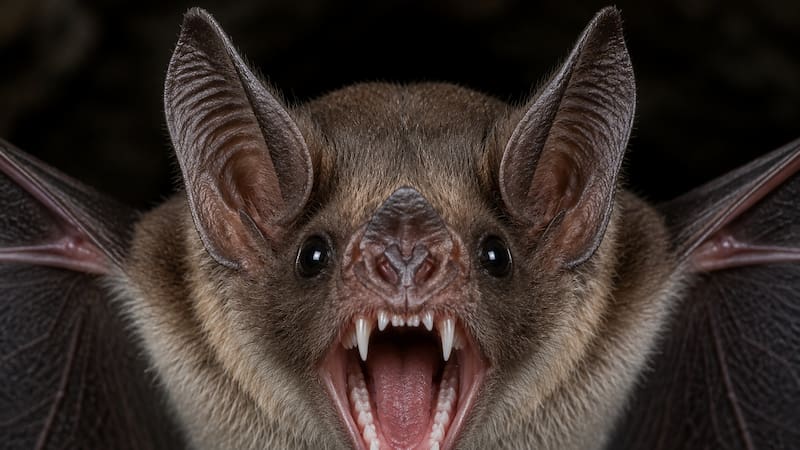
An 11-year-old boy died of rabies just 19 days after coming into contact with a bat while sleeping in a cabin in northern Ontario, Canada. The episode, which occurred in 2024, was recently made public after the case was published in a specialized medical journal.
According to his parents, they decided not to go to a health center right away because they found no bites, scratches or visible injuries on the boy’s face. They also said the animal was not behaving aggressively, so they did not realize the risk that contact posed.

How the illness progressed to a fatal outcome
Just under three weeks after the incident, the boy began vomiting repeatedly, lost sensation in his face and felt tingling. As the hours passed, his condition quickly worsened and prompted his emergency transfer to a hospital.

While waiting for medical care, other symptoms appeared, including a high fever, trouble swallowing, confusion and hallucinations. Once they learned about the contact with the bat, doctors began intensive rabies treatment.
However, the infection had already reached the central nervous system and, despite more than two weeks of efforts by the medical team, the boy died.
Why specialists insist on getting checked immediately
Doctors explained that bites from these animals can go completely unnoticed because their teeth are very small and do not always leave visible marks on the skin. For that reason, they recommend seeking medical attention after any direct physical contact, even when there are no apparent wounds.

Although human rabies is extremely rare in Canada (where only 28 cases have been recorded since 1924 and this was the first locally acquired case in Ontario since 1967), specialists note that once clinical symptoms appear, the disease is almost always fatal.
After the tragedy, the family decided to make what happened public to raise awareness about the importance of receiving post-exposure prophylaxis immediately after any contact with a bat.