En esta noticia
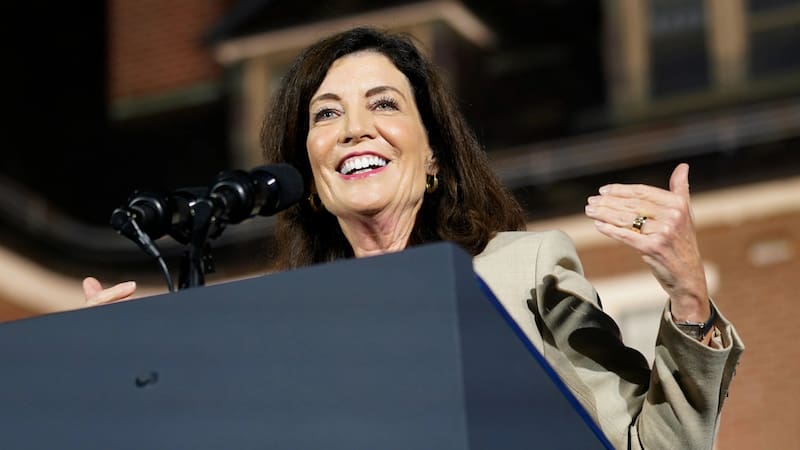
The Kathy Hochul administration announced that approximately $161 million will be distributed to cultural organizations, artists, and similar projects throughout the state. This is one of the largest state-level cultural investments in the country.
The goal is to sustain jobs linked to the creative sector and support both established institutions and independent projects. It also includes cultural access initiatives for historically underrepresented communities.
New York’s million-dollar investment in the arts: Who is it aimed at?
The financial allocation will be made through the New York State Council on the Arts (NYSCA). The initiative is expected to reach more than 2,000 arts and cultural organizations and hundreds of individual artists across the state.
Among the main beneficiaries are:
- Museums
- Theaters
- Cultural centers
- Dance companies
- Music organizations
- Libraries
- Community spaces
- Independent artists
It also aims to reach communities that are commonly overlooked in this type of benefit, such as emerging artists or Latino communities.
Benefits for New York artists: How can they access them?
Artists and organizations interested in applying for these benefits will have to take part in the calls for applications that NYSCA will manage. Applications usually ask for information about the applicant’s background, the project to be developed, a budget, and documentation of previous work.
The agency reported that artistic creation projects, professional development, cultural education, and community access to the arts will be funded. Evaluations take into account factors such as artistic quality, social impact, financial viability, and the ability to reach new audiences.

The projects that may receive financial aid: What are they?
The funds may be used to finance a wide variety of cultural activities. Among them are:
- Art exhibitions
- Theatrical productions
- Festivals
- Concerts
- Film projects
- Literary publications
- Educational programs and community initiatives.
They may also cover expenses related to production materials, professional fees, venue rentals, technical equipment, training activities, and artistic research.
A significant portion of the investment is aimed at projects that bring culture closer to communities with less access to this type of activity, including free workshops, youth programs, neighborhood events, and initiatives designed to promote cultural diversity throughout the state of New York.