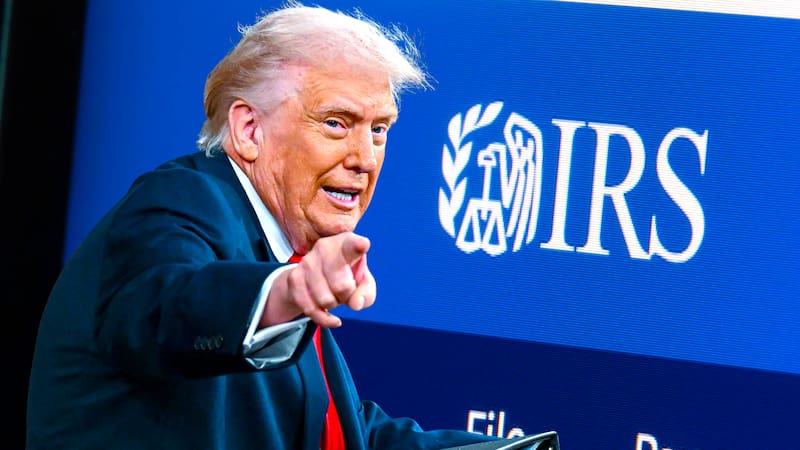

Millions of Americans and foreigners have until July 10 to claim a refund from the Internal Revenue Service (IRS) for penalties charged during COVID-19.
A court ruling determined that the government had no right to impose certain fines and interest during the pandemic, which opens the door to refunds for taxpayers across different income levels.
The ruling covers fiscal years 2019 through 2022. The National Taxpayer Advocate (NTA), an independent federal agency, recommends filing the claim before the deadline even though the Department of Justice’s appeal is still pending.
Who can claim the IRS refund for COVID?
The ruling Kwong v. United States applied Section 7508A(d) of the tax code, which requires the government to extend tax deadlines in the event of a declared national disaster. The court determined that the COVID-19 health emergency qualified as such, so the IRS could not charge penalties before July 10, 2023.
Who is included?
- Individuals
- Small and large businesses
- Trusts and estates
- Taxpayers with income, employment, estate, gift, and excise tax obligations
- Those who filed international returns late
The agency warned that taxpayers with lower incomes are at greater risk of missing the deadline because they lack professional advice.

How to claim the IRS refund before July 10?
The first step is to review the tax account transcript to confirm whether the IRS charged penalties or interest in that period. It can be checked online on the official IRS website or requested by phone at 800-908-9946.
The claim is filed using Form 843, on paper and by certified mail —there is no electronic option. It must state that it is a protective claim based on Kwong v. United States and Section 7508A(d). Filing it before the deadline ensures that the IRS will hold the request until the final court ruling.
What amounts can be recovered?
- Late-filing penalties
- Penalties for failure to pay or estimated payments
- Interest accrued before legally permitted
- Interest on overpayments for the 2020–2023 period