
En esta noticia
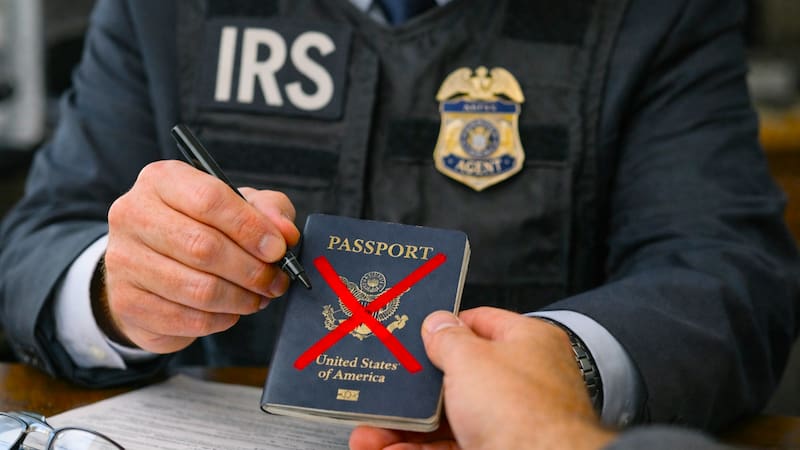
The consequences of failing to comply with tax obligations in the United States can go beyond fines or asset seizures. The Internal Revenue Service (IRS) confirmed that there is a measure that directly impacts the ability to travel: passport restriction or cancellation.
The key tax procedure to keep passports
This penalty is triggered when the taxpayer accumulates a seriously delinquent tax debt, a technical term the IRS uses to identify high-risk cases of noncompliance.
Currently, that threshold exceeds $64,000, a figure that includes not only the original tax owed, but also the penalties and interest that accumulate over time.
Once that amount is exceeded and the taxpayer does not respond to official notices or agrees to payment plans or settlements, the case can be certified as “seriously delinquent.”
IRS prohibits passports for everyone who has delayed this procedure
When this debt level is reached, the IRS can inform the State Department, which enables actions such as:
- Denying the issuance of a new passport
- Blocking the renewal of the document
- In some cases, limiting or revoking the current passport