

En esta noticia
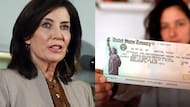
In the state of Maryland, selected families receive automatic deposits of $1,000 per month as part of a guaranteed basic income pilot program launched in August 2025 by Howard County, in partnership with the Community Action Council (CAC).
The payments do not require work in return, spending tests, or additional requirements once the families are selected, and will continue to be deposited into their bank accounts until August 2026.
The program covers residents of Columbia, Laurel, Elkridge, and Savage. By the end of the twelve-month cycle, each family will have received approximately $12,000 in direct assistance. Along with the monthly checks, beneficiaries also get support services and financial guidance sessions.
Who receives the $1,000 checks and what are the requirements?
The families participating in the program were selected before its launch and had to meet a series of established criteria set by Howard County and the CAC. This is not an open program at the moment, but understanding its conditions makes it possible to prepare for similar future calls.
To be eligible, families had to meet all the requirements at the time of application:
Eligibility conditions
- Reside in Howard County, Maryland.
- Have at least one child under 18 in the household.
- Be active clients of the CAC energy assistance, housing, or early education programs.
- Not be enrolled in income-based housing subsidies.
- Report income between 150% and 300% of the 2025 federal poverty level.

What changes with this program and when do the next payments arrive?
The $1,000 checks are deposited automatically every month without beneficiaries having to complete any additional paperwork. The next payment is for May 2026 and the distributions will continue in June, July, and August, when the program ends. Unlike traditional benefits, income is not reduced if the family improves its financial situation during the period.
Howard County expects that, by the end of the pilot, participating families will have been able to maintain stable housing, increase their income, build savings or investments, and improve their budgeting skills. The data collected during the program will be used to evaluate the possibility of extending or expanding similar initiatives in the region.