
En esta noticia
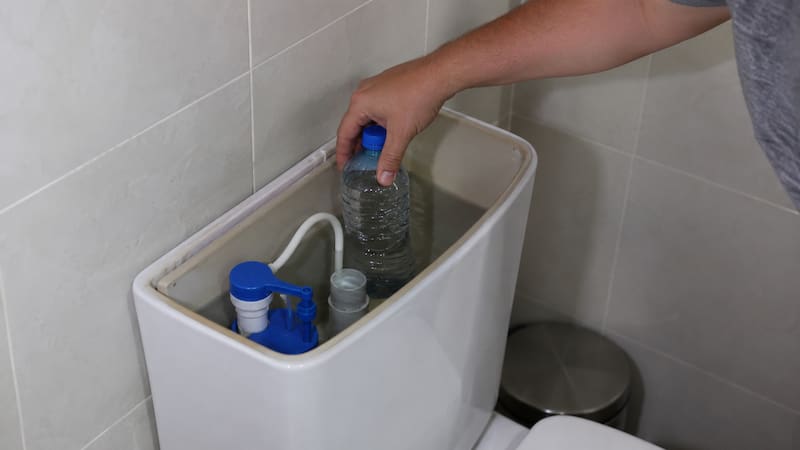
The United States Environmental Protection Agency (EPA) recommends placing a bottle filled with water inside the toilet tank as a simple method to reduce water consumption in the home. The measure is among the official household-saving suggestions and aims to reduce the amount of water used in each flush, without needing to replace the toilet.
The recommendation is part of a broader guide to pollution prevention and efficient water use published by the agency. According to the EPA, reducing household consumption also lowers the energy and chemicals needed to pump and treat drinking water.

How does the bottle trick in the toilet tank work?
The method consists of filling a plastic bottle with water, closing it tightly and placing it inside the tank, away from moving parts such as the float or the flush lever. In this way, the space the bottle reduces the amount of water the tank needs to refill after each use.
The EPA notes that there is also a device designed specifically for this purpose, known in English as toilet dam. Both options aim to reduce the volume of water without affecting the pressure needed for the toilet to function normally.
To apply the method correctly, it is recommended:
- Use a sturdy plastic bottle, never glass.
- Fill it completely with water and close it tightly.
- Place it in a spot in the tank where it does not interfere with the flushing mechanism.
- Check that the toilet continues to flush normally after the modification.
How much can you save on the water bill with this method?
Each conventional toilet uses several liters of water per flush, so reducing that volume consistently generates accumulated savings over the course of the month. The impact is greater in homes where the toilet is used frequently.
The EPA includes this practice within a broader set of recommendations for the bathroom, the kitchen, and outdoor water use, such as shortening showers or detecting silent leaks with dye. Combined, these measures aim to reduce both water spending and the energy associated with its treatment.