
En esta noticia
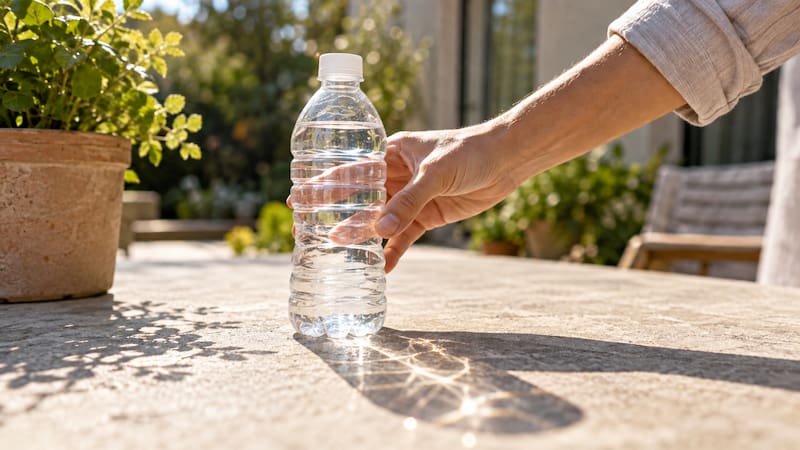
Exposing transparent plastic bottles filled with water to the sun for several hours eliminates the bacteria that cause diarrhea and other digestive diseases. The procedure, known as the SODIS method, is used daily in more than 30 countries and is supported by the World Health Organization.
The technique was developed and disseminated by Eawag, the Swiss water research institute, which coordinates promotion programs in Africa, Asia, and Latin America. Its records indicate that more than two million people use it regularly, with an estimated cost of US$ 0.63 per person per year.
What is the purpose of placing water bottles in the sun, and how does the SODIS method work?
The system combines two effects. Ultraviolet A radiation damages the genetic material of the microorganisms present in the water, and the accumulated heat inside the container intensifies that action until they are completely inactivated.
Application manuals establish six hours of exposure on sunny days and up to 48 hours when it is cloudy, in PET containers of up to two liters. Before starting, the water must meet specific conditions.
Requirements for solar disinfection to work
- Transparent, colorless PET bottles, without deep scratches or labels that block light.
- Low-turbidity water: the recommended limit is 30 nephelometric units (NTU).
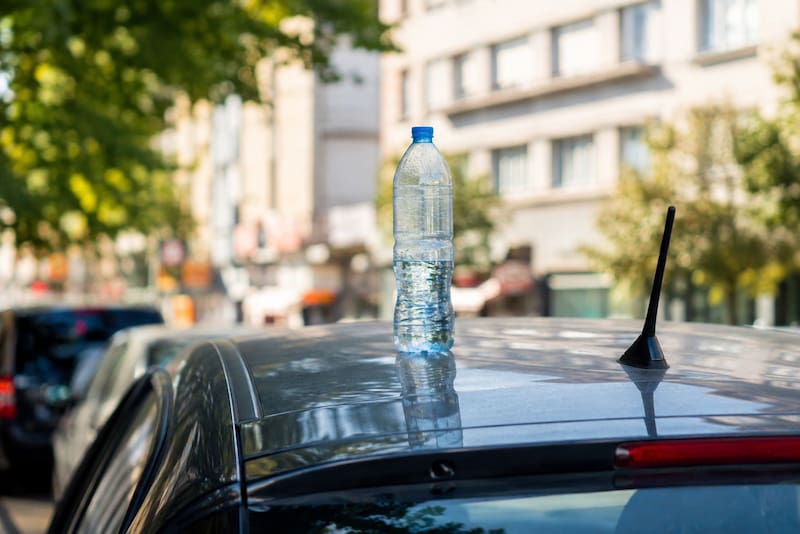
- Direct exposure to the sun, preferably on a surface that reflects heat, such as a metal roof.
- Six hours of full sun or two consecutive days if the sky is overcast.
What results did the studies show, and what limits does the technique have?
A study published in the journal Scientific Reports evaluated the system for 12 months in four rural communities in Tigray, Ethiopia, with 1,147 children under five years old. The microbiological tests reduced the presence of Escherichia coli by 99.9% in less than three hours.
The method has clear restrictions: it does not inactivate viruses in PET containers and only eliminates protozoa when the water exceeds 40 degrees. Nor does it replace access to safe networks, since it works as a household treatment at the point of consumption.
This content is for informational purposes and does not replace consultation with local health authorities. The SODIS method works as a household treatment at the point of consumption and does not replace access to piped drinking water.