
En esta noticia
The massive use of smartphones has become established in society and since then, it has become increasingly difficult to detach from these devices. Manufacturers add more features to them, and they become indispensable with each update.
Far from merely serving to communicate, the phone has become an everyday companion, a source of entertainment, and even a work tool. However, there is one factor that almost no one takes into account: the cleanliness of these devices, which can accumulate germs and bacteria and bring undesirable consequences.
What bacteria can accumulate on the phone screen?
According to a study published in the National Library of Medicine of the National Institutes of Health (NIH), it was discovered that in 27 phones belonging to a group of secondary school students, there were more than 17,000 copies of bacterial genes.
Cleveland Clinic states that cell phones have seven times more germs than a toilet seat. Some of the bacteria, fungi, and viruses that can be found are:
- Staphylococci
- Salmonella
- E. coli
- Streptococci
- Mold
- Clostridioides difficile
According to Dr. Allan, in a Cleveland Clinic article, some of these bacteria can remain on surfaces for hours, days and even weeks.
What diseases and conditions can they cause?
The microorganisms that phones can accumulate can cause different symptoms depending on which ones they are:
- Escherichia coli (E. coli): certain strains can cause gastrointestinal infections, diarrhea and abdominal pain.
- Salmonella: can cause salmonellosis, an infection that usually causes diarrhea, fever and abdominal cramps.
- Campylobacter: can produce intestinal infections accompanied by diarrhea, fever, and abdominal pain.
- Clostridioides difficile (C. diff): can cause intestinal infections, diarrhea, and, in severe cases, inflammation of the colon.
- Methicillin-resistant Staphylococcus aureus (MRSA): can cause skin infections and, in severe cases, affect other parts of the body.
- Streptococci: certain species can cause throat and skin infections.
How do they recommend cleaning the phone, and how often?
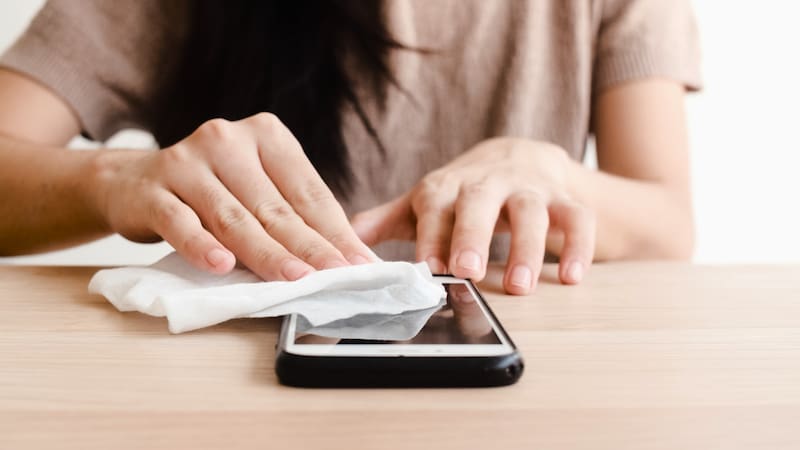
Cleveland Clinic recommends cleaning the cell phone at least once a day, especially if it has been exposed to surfaces that could be contaminated. The following steps should be followed:
- Turn off the phone and remove the protective case.
- Use a soft, non-abrasive cloth or a wipe suitable for electronic devices, following the manufacturer’s recommendations.
- Lightly moisten the cloth with a mixture of half a cup of distilled water and half a cup of 70% isopropyl alcohol, when the manufacturer allows it.
- Gently clean the screen, edges, and back of the phone, without allowing liquid to enter the ports.
- Let the device dry completely before putting the case back on or using it.
- Clean the case: if it is plastic, use the same mixture, and if it is silicone, use warm water and detergent. Leather cases may require specific care.
What other measures do they recommend?
In addition to cleaning the phone regularly, Cleveland Clinic recommends incorporating other hygiene habits:
- Wash your hands frequently: especially after using the bathroom, before eating, and after touching potentially contaminated surfaces.
- Avoid handling the phone in the bathroom: to reduce the risk of transferring fecal microorganisms to the device.
- Clean accessories: include earbuds, chargers, and phone stands in cleaning routines.
- Disinfect frequently used objects when necessary: pay attention to keyboards, remote controls, door handles, and other surfaces that are regularly touched.
- Increase the cleaning frequency: when the phone has been exposed to possible contamination.