
En esta noticia
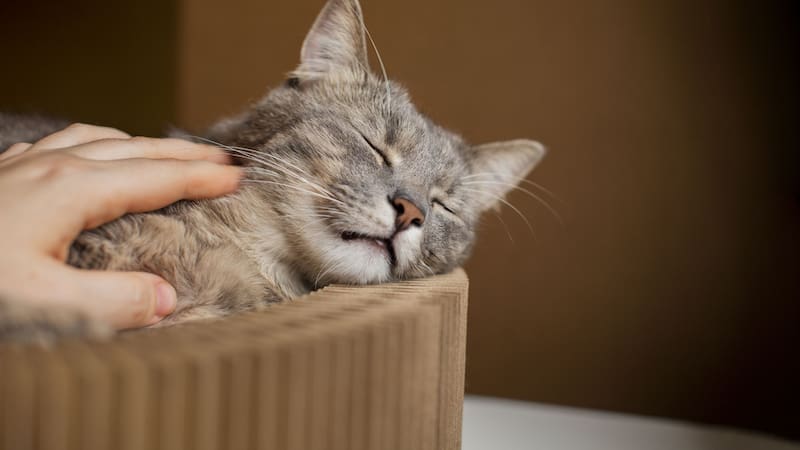
Those who live with a cat have surely experienced this scene at some point: one person tries to pet it, call it, or play with it, but the animal ignores them. Minutes later, the feline calmly approaches someone who never made the slightest effort to win it over and even ends up settling on top of them.
Although it may seem like a simple whim, this behavior has an explanation. Veterinarians and feline behavior specialists maintain that cats usually feel more comfortable with people who allow them to keep control of the interaction and respect their timing.

The reason cats seek out the person who ignores them
Unlike other domestic animals, cats do not usually respond well when they feel that someone is invading their space. That is why they often prefer to approach on their own initiative rather than receive constant attention.
In a room full of people, the feline analyzes different signals before deciding whom to interact with. Body posture, the way of moving, and even the direction of the gaze can influence that decision.
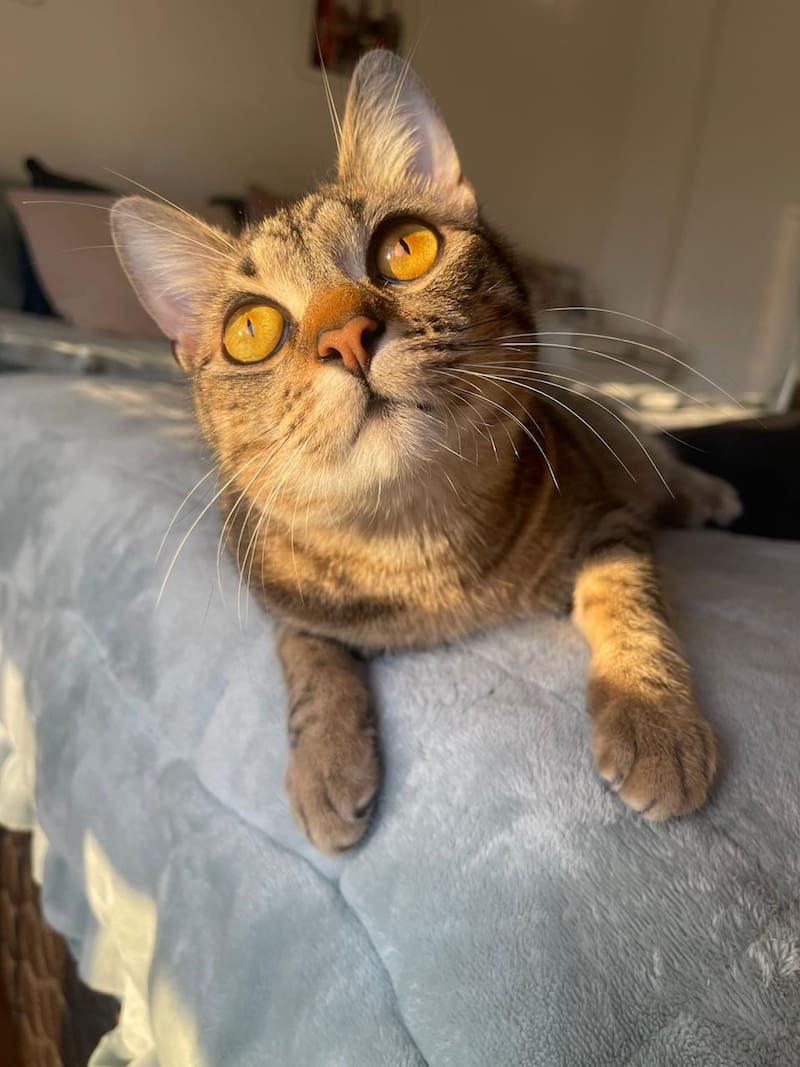
One of the most important factors is eye contact. A fixed and persistent stare can be interpreted by the cat as a signal of pressure or even of challenge. In contrast, a person who looks away and remains relaxed conveys a greater sense of safety.
Movements also play a key role. Specialists explain that slow and predictable movements build trust, while abrupt or insistent gestures can lead the animal to prefer to keep its distance.
The “allergic person effect” that surprises owners
Experts even describe a phenomenon known as the “allergic person effect”. It is that situation in which the person who avoids touching the cat, does not try to call it, or simply ignores it, ends up becoming, almost unintentionally, the center of its attention.
The explanation is simple: by not feeling pressured, the feline can approach when it wants and explore the interaction under its own rules. That freedom is much more attractive than forced contact.
This does not mean that cats prefer people who do not want them, but rather that they especially value people who respect their space and allow them to decide when to begin the bond.

That is why, if a cat seems to always choose the one who shows the least interest, it is probably not being indifferent to the rest. It is simply responding to its nature, which prioritizes calm, predictability, and the ability to control every approach.
Specialists agree that, to earn a cat’s trust, the best thing is usually to do exactly the opposite of what many people imagine: give it time, avoid invading its space, and allow it to be the one to take the first step. Often, that patience ends up being the best way to win its trust.