
En esta noticia
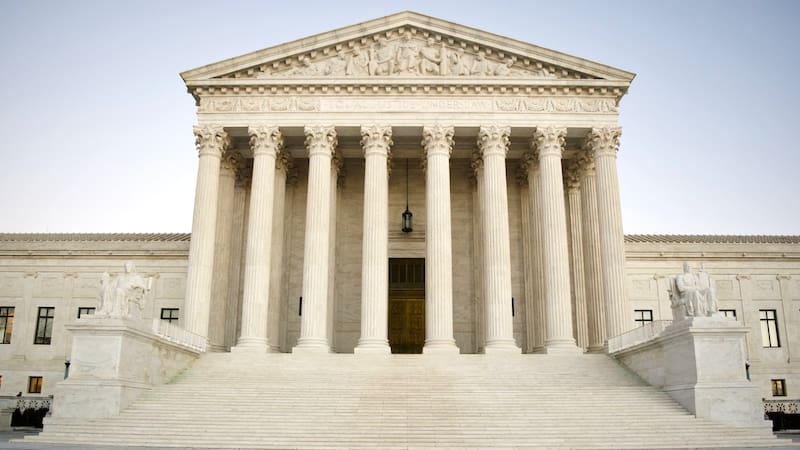
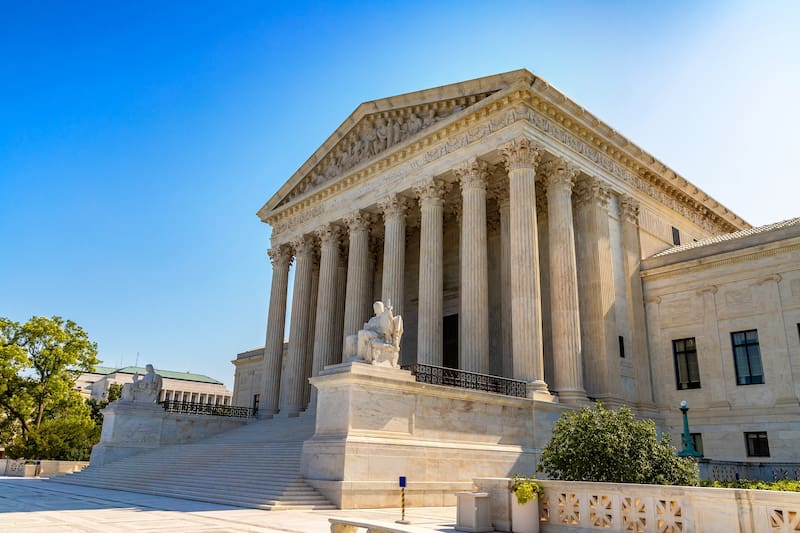
The U.S. Supreme Court ruled that the police need a court order to access cell phone location data through so-called “geofence warrants”. The ruling, adopted by 6 votes to 3, established that this type of search constitutes a record protected by the Fourth Amendment.
Justice Elena Kagan wrote the majority opinion, which brought together conservative and liberal justices on the court. The decision did not resolve the specific case that prompted it, but instead set the standard that lower courts must apply from now on.

What changes with the Supreme Court ruling on cell phones?
Until now, the police could ask companies like Google for the location data of all cell phones present in a certain area without a prior court order. The ruling by the Supreme Court definitively changes that rule.
A geofence warrant allows tracking cell phones that were within a specific area during a given period of time. In the case analyzed, the data could locate a person within a margin of three meters every two minutes.
What the Fourth Amendment requires for this type of warrant
The court stressed that a court order is not enough: it must also be specific so it does not become a mass search. The key points of the ruling are:
- The police must show probable cause before requesting the data.
- The warrant must be particularized, meaning limited to a specific target.
- It cannot be used as a “fishing expedition” over thousands of users unrelated to an investigation.
How does the ruling affect the privacy of location data?
The decision strengthens the precedent set in 2018 in the case Carpenter v. United States, which already required a court order to access cell tower data. Now that protection extends to the geolocation data that technology companies store about their users.
Google, the company that received most of these requests, had already changed its data storage policy after the litigation. The case that gave rise to the ruling, linked to a bank robbery in Virginia for which its protagonist was sentenced to more than 11 years in prison, will remain in the hands of the lower courts.