

En esta noticia
The United States government has begun a formal process to expand the data required from those entering without a visa, including new biometric data. The proposal, driven by Customs and Border Protection (CBP), contemplates the possibility of requiring DNA samples in specific checks within the Visa Waiver Program (ESTA).
The initiative is part of DHS efforts to comply with Executive Order 14161, signed in January 2025, which instructs federal agencies to expand verification systems to identify potential security risks. The final scope is still under review, but it could affect millions of international travelers.

Who would be affected by the DNA request to enter the United States without a visa?
The new requirement is linked to the Visa Waiver Program (ESTA). According to the official notice, the United States plans to expand the so-called “high-value biometric data” required during the application process. This directly affects citizens of the 42 countries that currently enter without a traditional visa.
DNA is not yet in force: it appears as part of a proposed package that is in a public comment period. What has been in effect since December 26, 2025, is the mandatory photograph of all non-citizens when entering and leaving the country.
Data that would be added to the ESTA process
- Real-time facial photograph (selfie with presence detection)
- Social media history from the last five years
- Contact information and family background
- Expanded biometrics: fingerprints, iris scanning, and DNA in specific cases
What does this measure mean and what is its objective?
CBP argues that mandatory social media disclosure and expanded biometrics will improve its ability to confirm identities, detect fraud, and strengthen national security assessments. DNA would be legally enabled for specific checks, not as an automatic requirement for everyone.
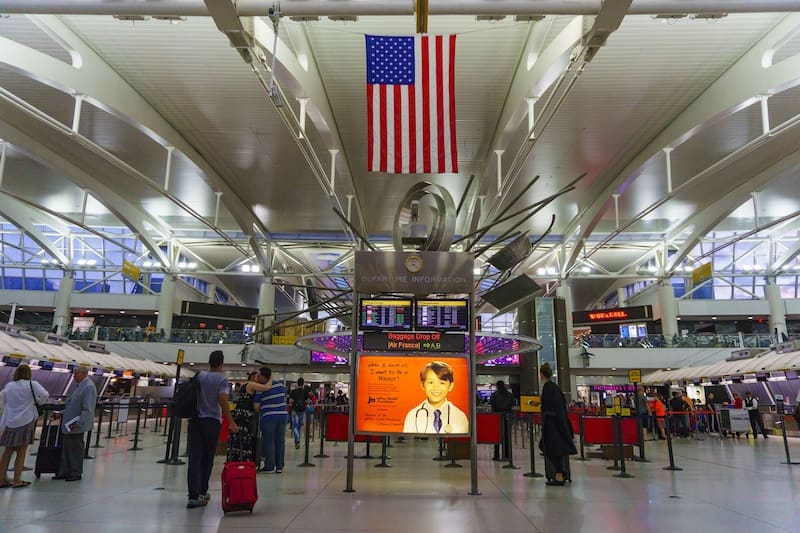
The practical message is clear: the process to visit the United States is moving toward denser advance screening, with greater control before boarding. The final changes will depend on the outcome of the public consultation process and pending technical and policy decisions.