
En esta noticia
The possibility of a large-scale international conflict became a global concern, and many people began to wonder which places would be the safest to live in if the scenario worsened.
Geographic isolation, political neutrality, low military exposure, and self-sufficiency in resources are among the main factors that could offer greater safety in the face of an international crisis.
Which countries would be the safest if a third world war breaks out?
International analysts agree that some territories have conditions that would reduce the risk of being directly involved in a global armed conflict.
Among them are:
- New Zealand, because of its isolated location and its ability to produce food.
- Iceland, which does not have a standing army and maintains a strategic position far from the main centers of tension.
- Switzerland, historically recognized for its policy of neutrality and its extensive civil protection infrastructure.
- Bhutan, due to its cautious foreign policy and limited military prominence.
- Fiji, because of its isolation in the South Pacific.
The Latin American country that appears among the safest
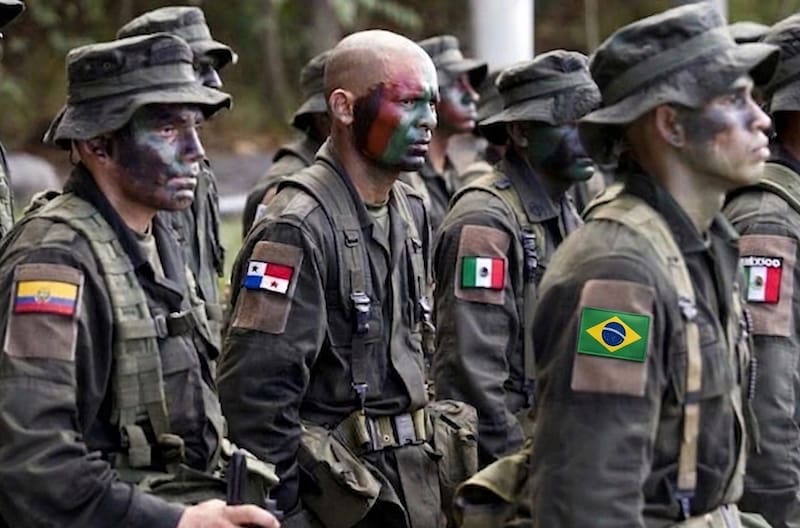
In Latin America, Costa Rica stands out as one of the safest options in the event of an international conflict.
Its inclusion is mainly due to a feature that has distinguished it for decades: it does not have a standing army, after abolishing the armed forces in 1948.
In addition, the country maintains a foreign policy based on pacifism, lacks its own naval bases, and often plays a diplomatic role in international conflicts.
Why does Costa Rica appear among the main refuges?
Specialists highlight several factors that strengthen its position:
- Absence of a standing army.
- International policy focused on peace and diplomacy.
- Low military relevance within international conflicts.
- Institutional stability.
- Natural resources and favorable conditions for domestic supply.
These characteristics make Costa Rica considered one of the destinations with the lowest probability of becoming directly involved in a world war.