
En esta noticia
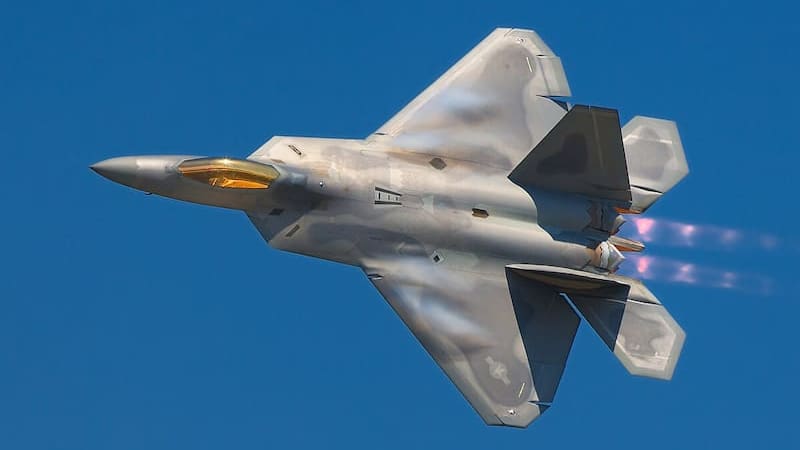
The U.S. Air Force’s F-22 Raptor could significantly extend its combat reach with new stealth-compatible external fuel tanks designed to increase its range without compromising as much of its radar-evading capabilities.
The new system could increase the fighter’s estimated combat range from approximately 590 nautical miles to 850 nautical miles, equivalent to about 978 miles or 1,574 kilometers. The upgrade could give the aircraft greater flexibility during missions across the Indo-Pacific, where long distances between bases and potential combat zones create significant operational challenges.

How the new fuel tanks improve the F-22’s range
The F-22 was designed to achieve air superiority through stealth, speed, maneuverability and advanced sensors. However, its range has been a limitation during missions far from U.S. bases.
Conventional external fuel tanks can extend the aircraft’s reach, but their shape and mounting structures can increase its radar signature. The new Low Drag Tank and Pylon (LDTP) system is designed to reduce that trade-off through a more streamlined configuration intended to preserve the Raptor’s low-observable characteristics.
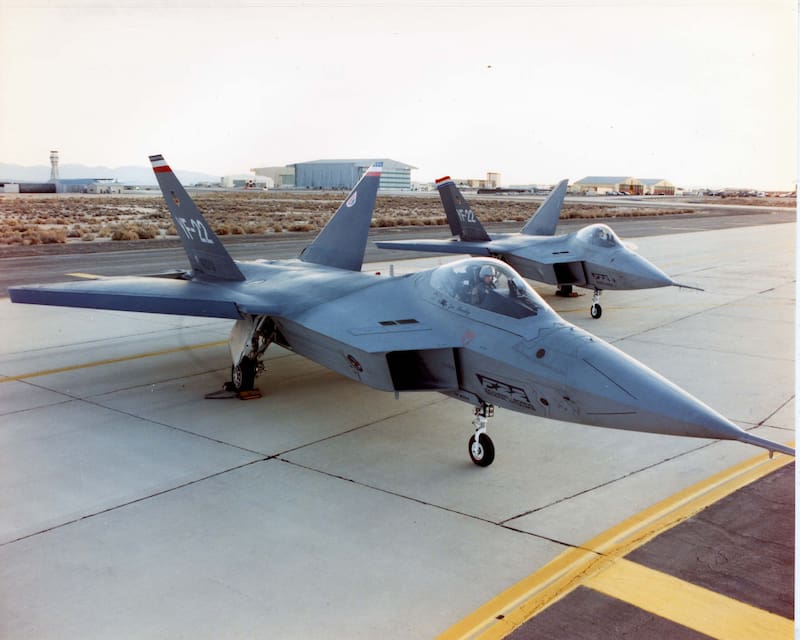
The tanks can also be jettisoned when necessary. Their design, however, aims to allow the aircraft to retain them during more demanding missions without automatically sacrificing as much stealth as conventional external tanks would.
How the upgrade compares with China’s J-20
The range improvement is particularly relevant as the United States and China continue to develop their military aviation capabilities. The J-20, China’s stealth fighter, has an estimated combat radius of around 1,100 nautical miles.
With the new tanks, the F-22’s reported combat range would rise to 850 nautical miles, narrowing the gap between the published estimates. However, the figures may not be directly comparable because performance depends on factors such as payload, flight profile, fuel reserves and mission requirements.

Range is also only one measure of a fighter’s effectiveness. Sensors, weapons, electronic warfare systems, pilot training and aerial refueling support all influence its operational capabilities.
The new tanks are part of a broader effort to keep the F-22 effective while the Air Force develops its next-generation F-47 fighter. If the reported performance is achieved in operational use, the upgrade could provide the Raptor with greater flexibility for long-distance missions, particularly in the Pacific.