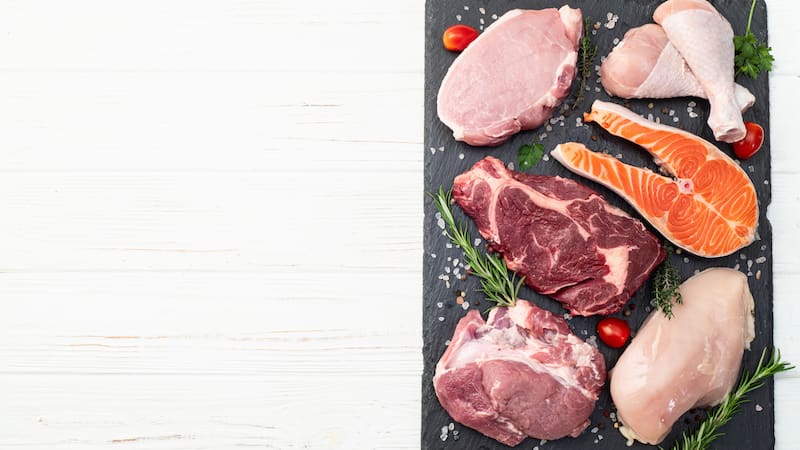

En esta noticia
Although eating raw meat may sound dangerous, the truth is that there are many popular dishes around the world that include fish or beef without prior cooking. That said, it is not a practice that can be applied to all types of meat.
In the case of beef, for example, there are cuts and conditions that can reduce the risks of consuming it raw. While some preparations may pose a high risk of food poisoning.
Safe meats to eat raw: Which ones are they and what considerations should be kept in mind?
Dietitian Beth Czerwony, cited by Cleveland Clinic, says: “As long as one is healthy, prepare it in a healthy way.”
One of the keys when considering eating raw meat, whether fish or beef, is taking into account the storage and handling conditions to which it was exposed.
In the case of fish, attention should be paid to its appearance, texture, and smell. According to Czerwony, it should be firm, not have too strong an odor, and not show discoloration, sliminess, or a spongy texture.
The fish most commonly used in raw preparations are:
- Salmon.
- Tuna.
- Other species, as long as they have been previously selected and processed for this purpose.
In addition, Cleveland Clinic highlights the importance of buying fish from reliable suppliers and verifying that it has received the proper treatment to reduce the risk of parasite contamination.
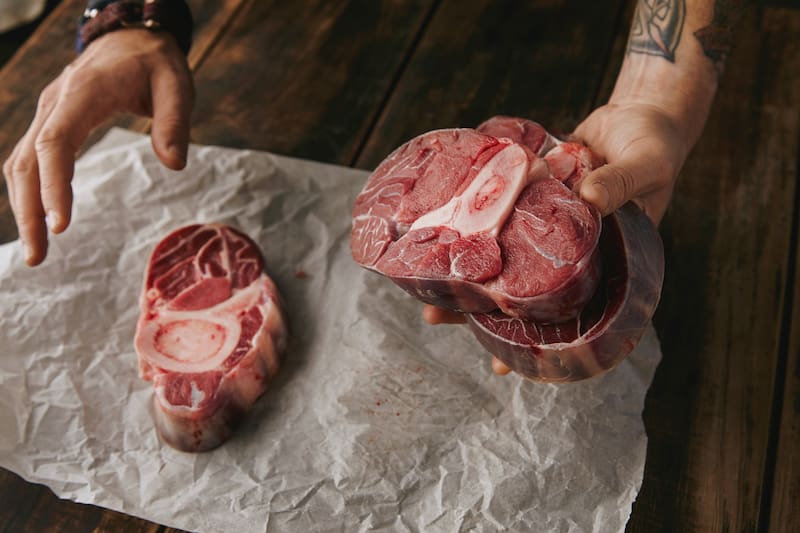
In the case of beef, searing the surface helps reduce the presence of bacteria. According to the University of Utah, “If there are microorganisms on the exposed surface of the meat, high cooking temperatures eliminate them. The inner part, the muscle, which has not been exposed to air or unsanitary handling, remains safe for consumption.”
For this reason, whole cuts of beef, whether large pieces or steaks, present a lower risk than ground meat when handled properly and their surface is cooked. However, consuming them completely raw still carries risks.
What about ground meat?
This type of product is different because there is not the same separation between the surface, which may be contaminated with bacteria, and the muscle inside.
During the grinding process, everything is mixed and microorganisms can be distributed throughout the meat. Therefore, it is recommended to consume it only after reaching the internal cooking temperature indicated by the United States Department of Agriculture (USDA), of 71 °C (160 °F), to reduce the risk of food poisoning.
Meats that should only be eaten cooked: Which are they and why?
Chicken and pork should be eaten cooked because of the risk that they contain bacteria and parasites capable of causing food poisoning and other illnesses.
Among the main contamination risks are:
- Chicken meat: may contain bacteria such as Salmonella and Campylobacter, responsible for gastrointestinal infections.
- Pork: may contain bacteria such as Salmonella and Yersinia, as well as parasites such as Trichinella, responsible for trichinosis.
- Other poultry: meats such as turkey and duck may also contain dangerous bacteria, so they should be cooked properly.
Recommended cooking temperatures for this type of meat
According to the USDA, the recommended minimum internal cooking temperatures are:
- Chicken and other poultry: 74 °C (165 °F).
- Whole cuts of pork: 63 °C (145 °F) and 3 minutes of rest.
- Ground pork: 71 °C (160 °F).
- Ground chicken or turkey: 74 °C (165 °F).
The agency recommends using a kitchen thermometer to check that meats have reached the indicated temperatures, since their color and texture are not enough to determine whether they are safe to eat.

People who should not eat any type of raw meat
According to nurse practitioner Jessica Davis, through the LifeMD platform, there are certain groups that face a higher risk of complications from eating raw meat:
- Pregnant people.
- Children under five years old.
- People diagnosed with chronic illnesses that increase the risk of complications.
- Adults over 65 years old.
- People with weakened immune systems.
Although eating raw meat can be dangerous for anyone, these groups should avoid it altogether because of their greater vulnerability to foodborne illnesses.