
En esta noticia
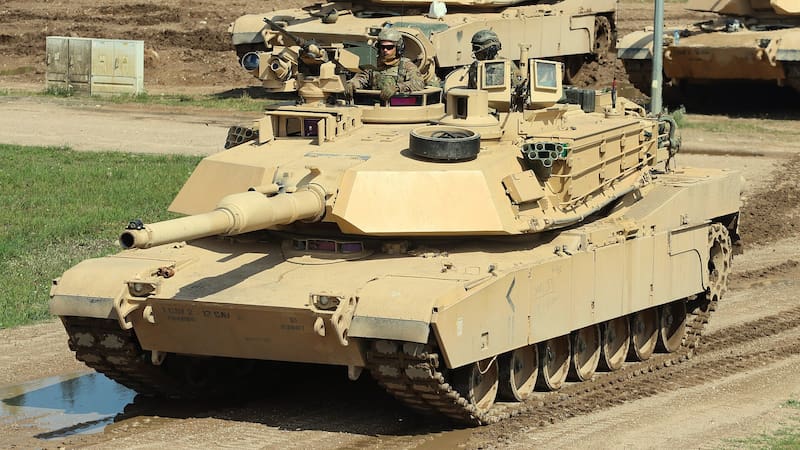
The U.S. Army’s next Abrams tank, the M1E3, replaces the gas turbine engine with a hybrid power system. It also cuts the crew from four soldiers to three, and none of them ride in the turret.
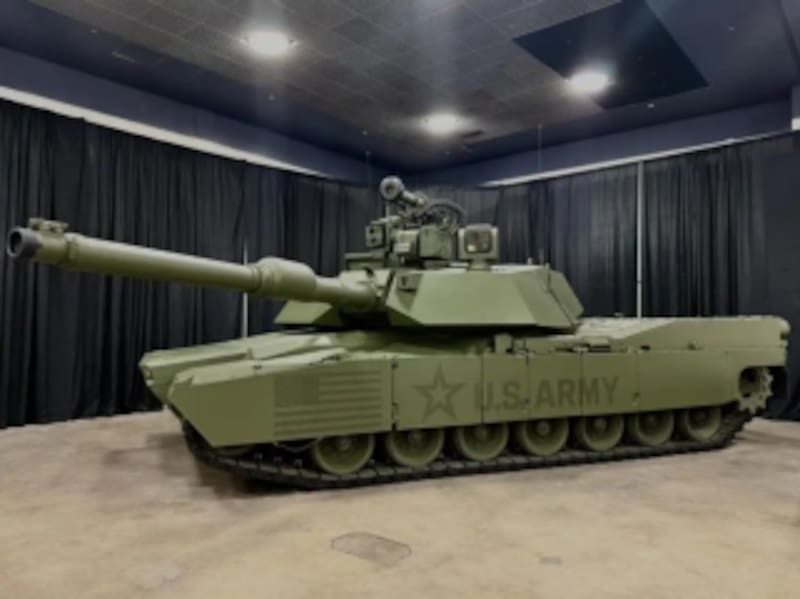
The Army showed an early prototype at the Detroit Auto Show in January, years ahead of the original schedule. The goal is a tank of about 60 tons, compared with 78 tons for the current version.
How does the Army’s hybrid Abrams tank differ from the current one?
The M1E3 drops the gas turbine, which burns fuel at a high rate. In its place is a hybrid setup built around a Caterpillar diesel engine. Army officials have said it should be 40% to 50% more fuel efficient.


A new hydropneumatic suspension uses pressurized gas and fluid instead of torsion bars. It frees up space inside and lets the crew raise or lower the hull.
Why is there no soldier in the Abrams’ turret?
All three crew members sit in the front of the hull and operate the turret remotely. An autoloader, a mechanism that feeds rounds into the gun, replaces the fourth soldier who loaded it by hand. Autoloaders have been more common in Russian and Chinese tanks than in U.S. ones.
Cameras let the crew see outside with the hatches shut. The driver steers with a controller similar to a video game controller. The program manager, Col. Ryan Howell, has said soldiers can now learn to drive the tank in about 30 seconds.
When will the Army’s next Abrams tank go into production?
In March, Brent Ingraham, the Army’s assistant secretary for acquisition, logistics and technology, said production could start within about a year. He said that depended on how the prototypes did with test units.
If the schedule holds, production would begin in 2027. The design could still change based on what soldiers report back.