
En esta noticia
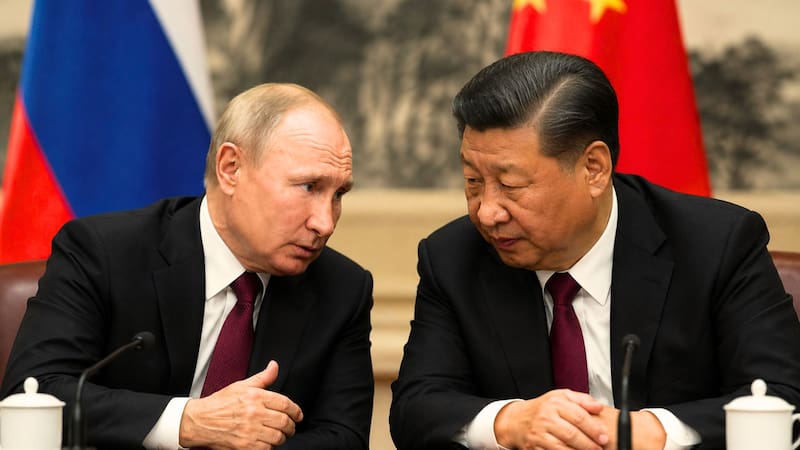
China and Russia agreed to deepen their military alliance with new joint exercises and the expansion of their air and sea patrols. The commitment was set out in a statement signed after the summit between Xi Jinping and Vladimir Putin in Beijing, and it is one of the most concrete outcomes of the meeting.
The agreement comes at a time when the relationship between the two powers is tilting in China’s favor. Putin traveled to Beijing expecting to seal the Power of Siberia 2 gas pipeline, but he returned without that outcome. In exchange, he obtained Xi’s political and military backing as part of more than 40 bilateral agreements signed at the summit.
What did China and Russia agree on regarding military power?
The joint statement sets out three pillars of defense cooperation: more joint military exercises, greater coordination in air patrols, and an expansion of shared maritime operations. It is not a formal mutual defense alliance, but the signal to the West is clear: both powers are willing to operate together in a more visible and sustained way.
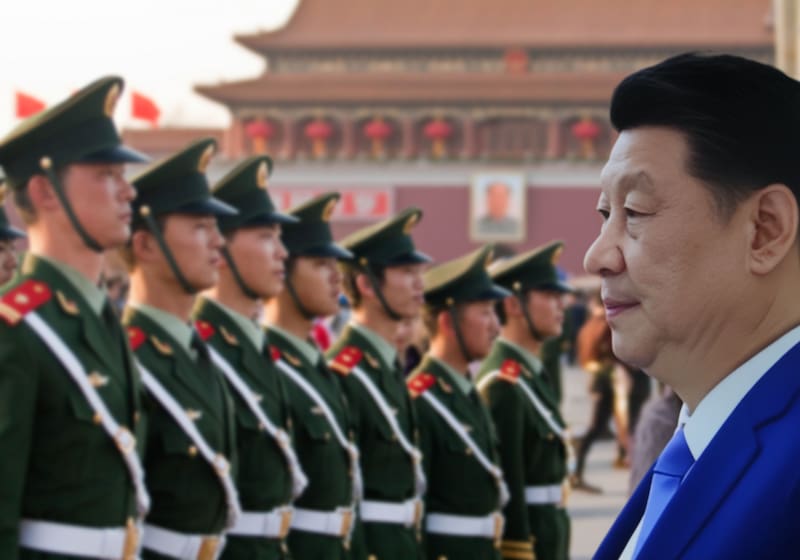
Xi described the bilateral relations as “at their highest point in history”. On Taiwan, Russia reaffirmed its support for the One China principle. Meanwhile, China said it favors a diplomatic solution to the conflict in Ukraine, although it expressed support for Moscow’s sovereignty and territorial integrity.
How does this alliance affect the global balance of power?
The military agreement comes as China consolidates its role as an indispensable power on the global stage. In the weeks before, Xi also received Trump with a ceremony almost identical to Putin’s —red carpet, children with flags, 21-gun salute—. The message was deliberate: Beijing is seeking equidistance without giving up either of its two strategic ties.
Foreign policy analysts warn that Xi is positioning China as the key external actor in international politics. The joint statement also targets Washington: both countries condemned military attacks on third parties and attempts at internal political destabilization, calling them serious violations of international law.