
En esta noticia
If a driver fails to meet child support financial obligations, the appropriate authority in the state where the driver is located may take action against their driver’s license. These measures are usually carried out by revoking or suspending the license for failure to pay child support.
States set different standards for applying these measures, which can be found on the official website of the National Conference of State Legislatures (NCSL), whose information was updated in October 2020. However, there are also certain exceptions that protect drivers in specific situations.

Under what law can states take away the driver’s licenses of child support debtors?
This authority is backed by Title 42 of the U.S. Code, Section 666(a)(16), which states:
“Authority to withhold or suspend licenses. Procedures under which the State has (and exercises in appropriate cases) authority to withhold or suspend, or restrict the use of driver’s licenses, professional and occupational licenses, and recreational and sporting licenses of individuals who owe overdue support or who fail, after receiving proper notification, to comply with subpoenas or court orders related to paternity or child support proceedings.”
However, each state sets its own criteria and requirements for applying these measures for failure to meet child support obligations, including debt amounts, delinquency periods and the corresponding procedures.
Suspension or revocation: which one applies in this specific case?
Both measures can apply, depending on each state’s laws. The differences are:
- Suspension: a temporary loss of the right to drive until certain conditions are met.
- Revocation: the license is canceled, so the driver must meet the requirements to get it back or apply for a new one.
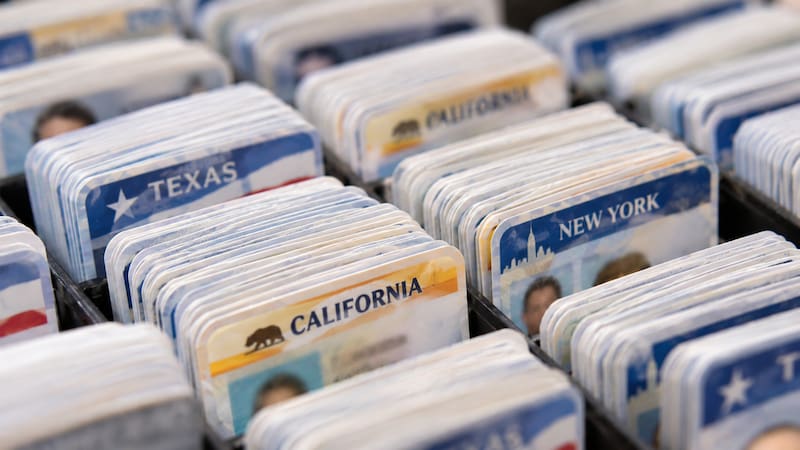
For example, in New York and California authorities allow driver’s licenses to be suspended for child support debt, while in Texas, the attorney general or a court can order a revocation or bar the issuance of a new license.
How is the driver notified about the measure?
State authorities must follow the notice procedures set out in their respective laws before applying the penalty.
In general, the driver receives notice informing them of the noncompliance and the steps needed to avoid suspension or revocation. Deadlines vary by state.
What are the exceptions?
According to the NCSL, some states may provide exceptions and alternatives to keep debtors from losing the ability to work and meet their financial obligations.
These may include:
- Restricted or temporary licenses: intended for commuting to work, meeting family responsibilities or attending religious services.
- Payment agreement: some jurisdictions allow people to avoid or lift a suspension through an approved payment plan.
- Administrative or judicial review: this refers to challenging the measure before it takes effect.
- Income-based exceptions: states like California offer protections for drivers whose annual income is no more than 70% of the median income in the county where they live.