

A woman from Mendoza, Argentina, managed to find her son after nearly four decades of nonstop searching. The baby had mysteriously disappeared in 1986, when he was just a newborn. This moving story closed a painful chapter with confirmation of the identity of the remains.

The mother never stopped filing complaints with the authorities and kept the case active for years. However, the court investigation remained stalled because there were no concrete clues about the child’s whereabouts.
In the end, the discovery of skeletal remains allowed the case file to move forward and the facts to be clarified.
Where and how were the baby’s traces found nearly half a century later?
For decades, police teams focused their searches on rural areas, private homes, and old health centers. Authorities followed dozens of false leads and theories about an alleged illegal adoption outside the province. However, none of those operations produced any positive results in the case.
The decisive turn came when prosecutors reviewed the registry books and archives of the Cemetery of the Capital. Investigators found irregularities in the burial record for an unidentified infant laid to rest in a mass grave in 1986. For that reason, the judge ordered the immediate exhumation of the section to recover the biological remains.
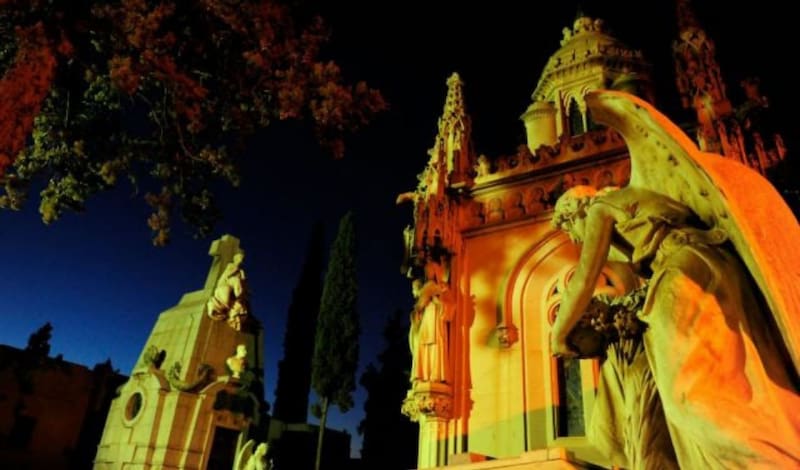
During the excavation in the cemetery plot, experts found the bones along with a small metal medallion. The mother recognized the object without hesitation as the item her baby was wearing when he disappeared. Meanwhile, prosecutors ordered genetic testing to scientifically confirm the family relationship.
The forensic medical service completed the required biological tests on the material recovered from the area. Thus, DNA testing confirmed the genetic match between the woman and the victim. Prosecutors, meanwhile, are investigating the chain of responsibility for the concealment of the information for nearly 40 years.
In this way, the woman who had searched for her baby since 1986 was able, nearly 40 years later and thanks to the medallion, to identify the remains and bring an end to a journey of nearly half a century.