

En esta noticia
The United States requires its citizens to have a valid passport to leave the country or re-enter it on international flights. Federal immigration law prohibits using an expired document at airport checkpoints, both for leaving for abroad and for returning to U.S. territory.
The restriction stems from Section 215 of the Immigration and Nationality Act (INA), which declares it illegal for a citizen to leave or enter the United States without a valid passport. It is directly enforced by Customs and Border Protection (CBP) and the Transportation Security Administration (TSA).
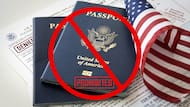
Who is affected by the expired passport ban at the airport?
The measure applies to any U.S. citizen planning to fly out of the country or return from abroad. Without a valid passport, boarding on international flights is not allowed under any circumstances.
The requirement changes depending on the type of trip. For flights within the United States, the TSA accepts an expired passport for up to two years after its expiration, as long as the passenger presents another valid form of identification.
Requirements according to the type of trip
- Domestic flights: expired passport accepted for up to 2 years, with another valid form of identification.
- International flights (departure or return): valid passport required, with no exceptions.
- Destinations with the “6-month rule”: require the passport to have at least six months of validity remaining, regardless of the date of travel.

What should passengers with an expired passport do?
Anyone who tries to travel internationally with an expired document may be denied boarding outright, both at the departure airport and during the return layover to the United States. Airlines verify validity before check-in.
The State Department recommends renewing the passport between six and nine months before it expires. Those who are outside the country and need an urgent document should contact the nearest U.S. embassy or consulate.