
En esta noticia
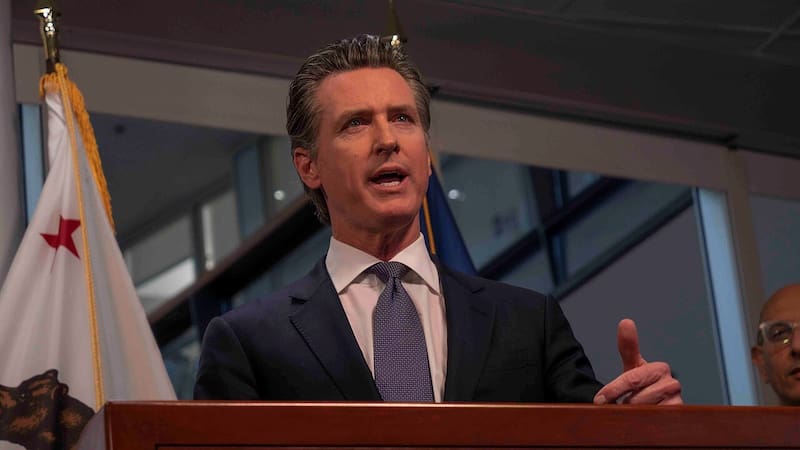
On Monday, California Governor Gavin Newsom declared a state of emergency to accelerate the state’s preparations for what officials describe as a potentially historic El Niño season.
The measure, officially announced from Sacramento, aims to mobilize state resources before winter storms intensify in the coming months.

A season that could set records
According to the official statement from the California government, the emerging El Niño event is already breaking records, and forecasters expect it to keep strengthening, potentially becoming the strongest on record. Federal forecasters estimate a greater than 90% chance of a very strong event this fall and winter, and a 75% chance it could reach historic strength.
The statement explains that the anomaly is driven by unusually warm Pacific Ocean temperatures, which can shift storm tracks and load the atmosphere with more energy in the months ahead.
For California, that can mean repeated rounds of heavy rain, strong winds, mountain snow, flooding, landslides, debris flows, large waves, and coastal flooding, especially when storms hit during very high tides.
What the proclamation orders
The emergency declaration signed by Newsom mobilizes state resources and streamlines procurement to prepare for El Niño’s anticipated impacts, such as strong storms and coastal flooding. Among the measures ordered, the document directs state agencies to lead the state’s flood risk reduction efforts, stage flood fighting supplies such as sandbags and pumps, and pre position other critical equipment.
Caltrans will deploy traffic control, road closure, and snow removal equipment along the highways most at risk. The proclamation also prepares the California National Guard to support flood response, search and rescue, engineering, and logistics missions when needed.
State environmental and natural resources agencies, for their part, will support local governments in preparing for flooding, landslides, and debris flows, by fast tracking permitting and cutting other red tape.
In addition, the measure directs the Governor’s Office of Emergency Services (Cal OES) to expand public preparedness communications, including accessible, multilingual materials on severe weather, flooding, emergency alerts, evacuation readiness, and power outages.
Official statements
“We are not waiting for this season’s storms to be on our doorstep,” said Cal OES Director Caroline Thomas Jacobs, according to the official statement. “Cal OES is leading California’s statewide efforts by bringing state and local partners together, conducting advance planning efforts, and identifying potential needs before impacts occur.”
For his part, California Natural Resources Secretary Wade Crowfoot said: “California is already taking steps now to protect communities from a potentially historic El Niño because we know how serious these weather extremes driven by climate change can be.” He added that, through the state of emergency, the government is “cutting red tape and fast tracking the flood protection and broader preparedness work communities need now.”
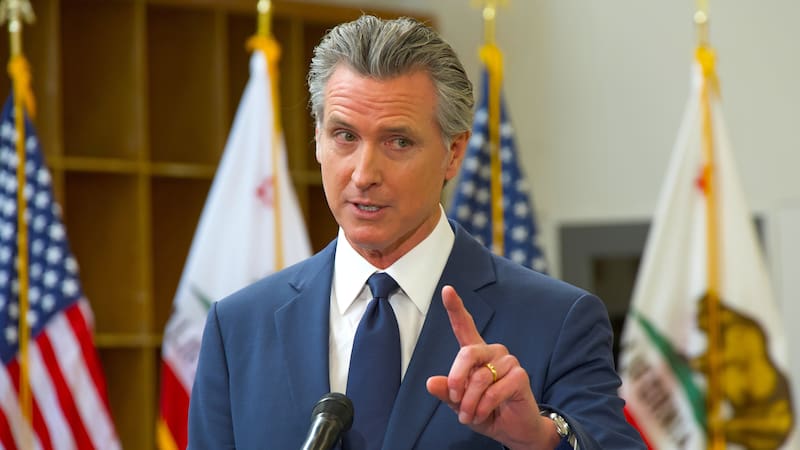
Newsom himself was quoted in the official statement: “California is strongest when we look out for one another. That is what this action is about. Giving communities the support they need, giving first responders the tools to do their jobs, and giving families the confidence that their state is ready.”
The scientific backing
The statement also cites a study published last month in the journal Science, which found that El Niño events are now more than 36% stronger than before the industrial era, with this trend accelerating over the last 40 years as the planet warms.
The official text defines El Niño as the periodic warming of sea surface temperatures in the eastern Pacific Ocean. Under normal conditions, the tropical western Pacific is warmer than the tropical eastern Pacific; during El Niño, that pattern reverses, altering circulation and precipitation patterns around the world.
This year, California has already experienced coastal flooding attributed to the phenomenon, driven by so called “Kelvin waves” that raise sea levels, along with offshore Pacific hurricanes generating strong waves that batter the California coast.