
En esta noticia
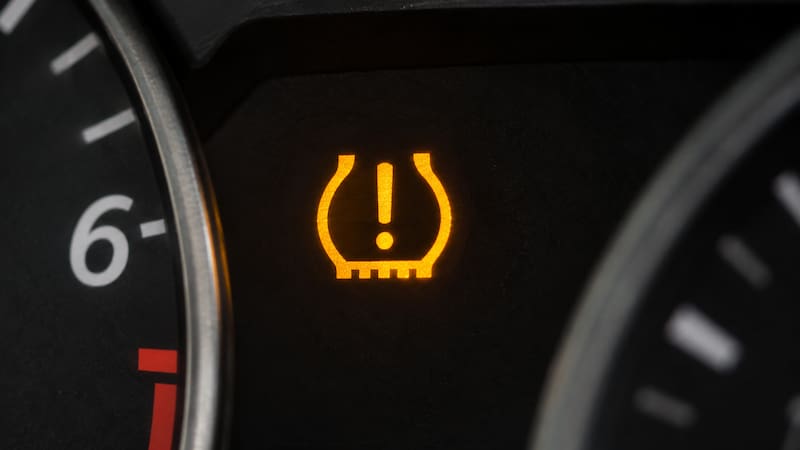
The yellow light with an exclamation point inside a symbol that represents a tire is the tire pressure monitoring system, known as TPMS. When it stays on, it warns that at least one tire has significantly low air pressure.
According to the National Highway Traffic Safety Administration (NHTSA), drivers should inspect the tires and check their pressure as soon as possible if this warning appears.
The system can detect low pressure through sensors inside the tires or by tracking wheel speed and other vehicle sensors. That information is processed to activate the indicator on the dashboard.

What does it mean if the yellow light flashes
If the symbol flashes for 60 to 90 seconds and then stays on, it may indicate a problem with the monitoring system. In that case, the NHTSA recommends contacting the dealer for an inspection.
This sequence can repeat every time the vehicle is started until the problem is fixed. That is why it is important to watch how the indicator behaves.
It may also light up briefly on cold mornings and turn off when the tires warm up or the outside temperature rises. This can happen when the pressure is close to the warning threshold. Even if the light goes off, the pressure should still be checked.
What should you do when the warning appears on the dashboard?
The recommended pressure should be checked on the label on the driver’s door frame or door edge, or in the owner’s manual. The reference to follow is the one listed by the vehicle manufacturer, not the one on the sidewall of the tire.
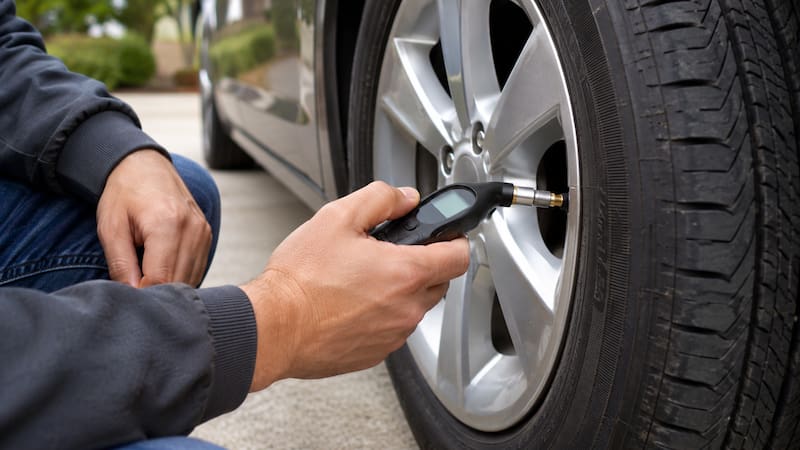
For routine maintenance, the NHTSA advises checking the pressure of all tires, including the spare, at least once a month and with the tires cold, after the vehicle has been parked for at least three hours.
A tire can be underinflated without it being obvious at a glance. That is why TPMS does not replace regular checks with a gauge. Keeping the tires properly inflated affects safety, tire life, and fuel economy.