
En esta noticia
The National Highway Traffic Safety Administration (NHTSA) has put forward a proposal to update the federal rules that regulate vehicle lighting in the United States. The plan includes changes to the vertical placement of high and low beams, turn-signal controls and the addition of new lights to identify autonomous vehicles.
The proposal has not been approved yet. The agency opened a public comment period to receive feedback before deciding whether to revise the Federal Motor Vehicle Safety Standards, particularly FMVSS 108.


What changes is NHTSA proposing?
NHTSA is proposing to amend federal standard FMVSS 108, which sets safety requirements for lights, reflectors and other vehicle lighting equipment.
Among the main changes are:
- Placement of high and low beams: eliminate the requirement that low beams be positioned above high beams when headlamps are installed in a vertical arrangement. This would give manufacturers more freedom in designing their vehicles.
- Voltage testing: update evaluation requirements for sealed-beam headlamps and remove the obligation to use 12.8 volts as the reference. Replaceable and sealed headlamps would keep that parameter.
- Turn-signal and high-beam controls: adapt manual control requirements for vehicles that operate exclusively through automated systems.
- Dashboard indicators: limit certain turn-signal and high-beam warning-light requirements to vehicles with manual driving controls.
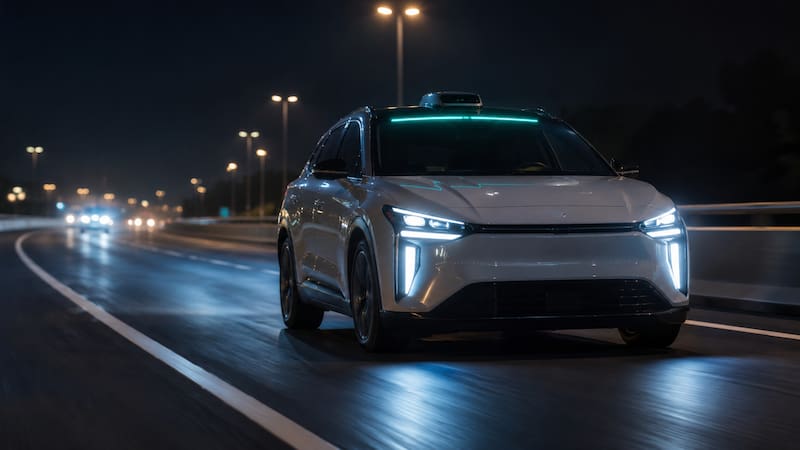
- Lights for autonomous vehicles: allow, on an optional basis, the addition of cyan identification lights to warn other road users that the automated driving system is operating.
The agency says these changes would modernize technical requirements without lowering road safety standards.
Which vehicles would be covered if this rule is approved?
FMVSS 108 covers several categories of vehicles operating in the United States:
- Passenger cars.
- Multipurpose vehicles.
- Trucks and pickups.
- Buses.
- Trailers.
- Motorcycles.
However, not all changes would apply the same way.
The easing of manual controls and the addition of cyan identification lights are specifically aimed at vehicles equipped with automated driving systems (ADS) that do not have a steering wheel or manual driving pedals.
On the other hand, removing the restrictions on headlamp vertical placement and updating voltage tests could benefit vehicle manufacturers across different categories covered by the standard.
How long do they have to finalize this rule?
NHTSA set Nov. 25, 2026, as the deadline for public comments on the proposal.
Once the comment period ends, the agency must review the submissions before deciding whether to move ahead with a final change to FMVSS 108.