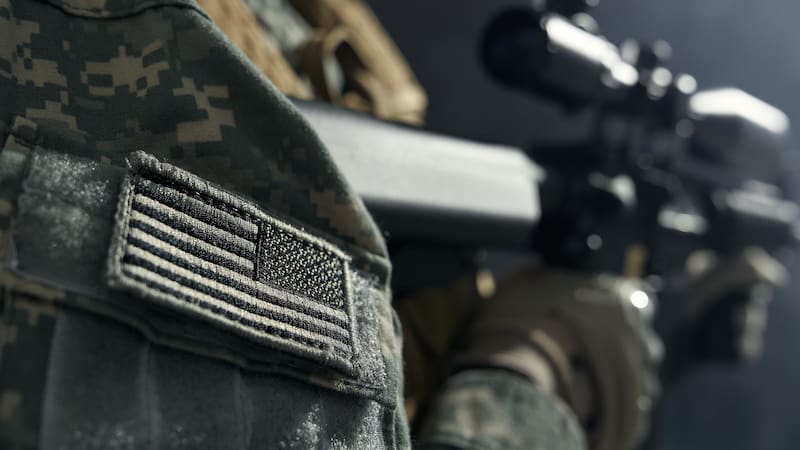

The U.S. Marine Corps announced Tuesday, Sept. 22, that starting Oct. 1 it will double the monthly amount of hostile fire pay, from $225 to $450. The change appears in an official Marine administrative message and coincides with the start of fiscal year 2027.
The same document also raises imminent danger pay. The monthly cap will rise from $225 to $275. On a daily basis, the prorated rate goes from $7.50 to $9.16, or $1.66 more per day in designated areas.
Who gets paid, and how
The two payments are mutually exclusive. A service member cannot receive both in the same month.
Hostile fire pay goes to those who, according to the Defense Finance and Accounting Service (DFAS), meet at least one of these conditions:
- Having been subjected to hostile fire or the explosion of a hostile mine.
- Having been on duty near such an incident and in danger of the same hazards.
- Having been killed, injured or wounded by a hostile action.
The full amount is paid when a commander certifies a hostile incident in the area for the relevant period.
Imminent danger pay, by contrast, depends on duty location. It is granted to those serving in countries or regions where the Pentagon considers there to be a likely threat of physical harm from civil insurrection, civil war, terrorism or wartime conditions.
A wider map of risk areas
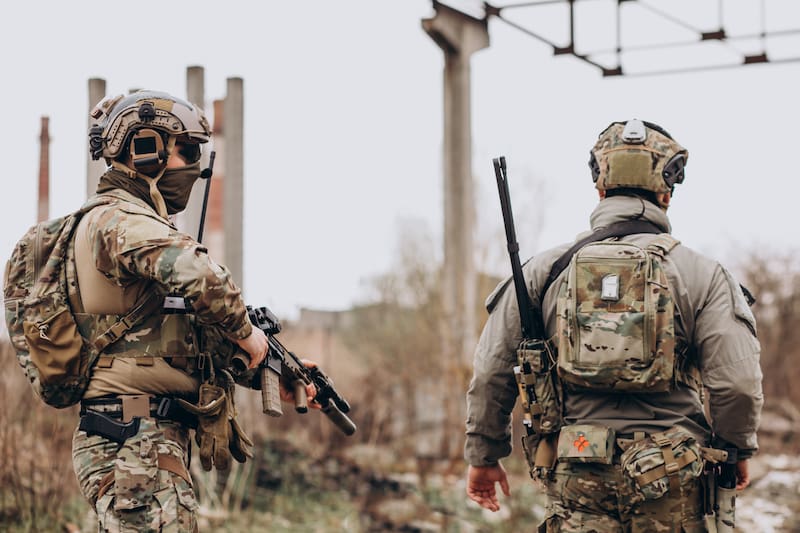
DFAS currently recognizes 58 locations as eligible for this pay. Eighteen were added in February, when Operation Epic Fury against Iran began. They include the Persian Gulf, the Arabian Sea, the Gulf of Oman, the Indian Ocean, the Mediterranean, Bahrain, the United Arab Emirates, Saudi Arabia, Qatar, Kuwait, Jordan, Turkey and Diego Garcia.
According to DFAS, these designations are temporary and will end three months after the operation, or any follow-on operation directed by the president, concludes. Other areas, such as Iraq, Afghanistan, Syria, Somalia, Ukraine and Kosovo, have kept their designation for years. The Fiscal Year 2026 National Defense Authorization Act ordered a 60-day review of the list of locations, followed by reviews every five years starting in 2031.

From proposal to decision
The increase was proposed in the Pentagon’s fiscal year 2027 budget request, sent to Congress in April. That month, Maj. Gen. Frank Verdugo, the Air Force’s deputy assistant secretary for budget, mentioned the initiative during a briefing on the Air Force and Space Force budget. The aim was to recognize the sacrifices of troops in dangerous areas and to improve recruitment and retention.
In May, however, a Department of Defense official said no decision had been made to raise the current rates. Now the Marine Corps is making the increase official for its personnel.
According to DFAS, the last across-the-board update to these allowances for all services was in 2011.