
En esta noticia
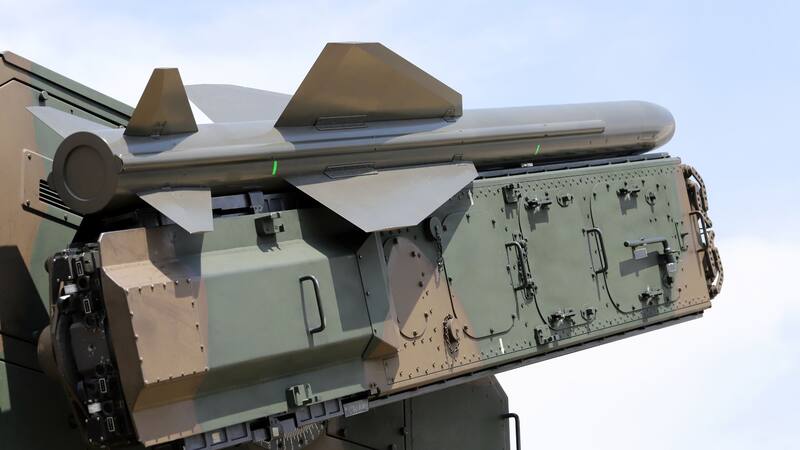
China’s People’s Liberation Army (PLA) relocated key Air Force units to the extreme expanses of the Gobi Desert, in a demonstration of strategic mobility and firepower.
The primary objective of the maneuver was to subject the HQ-9 long-range surface-to-air missile systems—considered fundamental pillars of the Asian giant’s air defense architecture—to rigorous live-fire and tactical endurance tests.
The military operation responds to the need to evaluate the performance of these complex systems outside their usual bases, placing strict pressure on both the technological equipment and the personnel’s logistical capabilities in such a challenging geographical environment.
Interregional Deployment and Rapid Response Capability
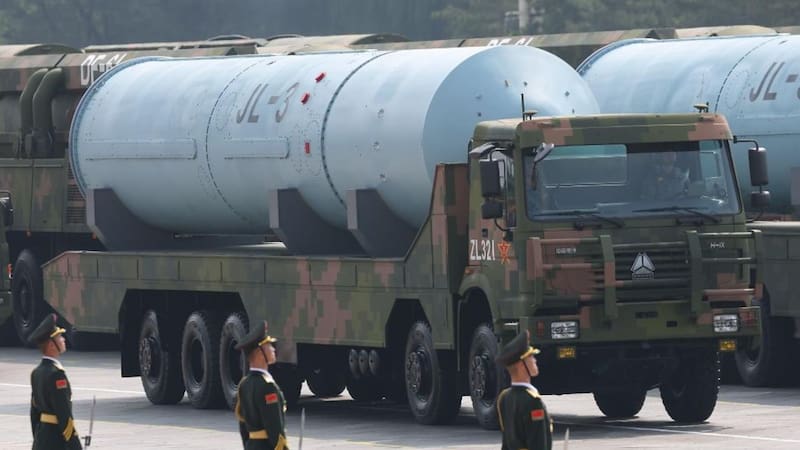
According to official and military reports released, the exercise began with the rapid transfer of the anti-aircraft battery components from eastern China to the country’s northwest.
- Multimodal logistics: Mobile launchers, scanning and fire control radars, and command vehicles were swiftly concentrated to be loaded onto strategic military transport trains.
- Adaptation in hostile terrain: Following the rail journey, the troops completed road segments using modular formations, executing complex maneuvers of camouflage, concealment, and rapid deployment amid the severe desert conditions.
Live fire and high-intensity scenarios
Once positioned in the assigned sector, the HQ-9 systems carried out live-fire exercises aimed at replicating modern combat scenarios. The tests not only measured ballistic precision and radar reaction time against simulated targets in airspace, but also the operational resilience of the units.
Among the key areas evaluated by the military command were:
- Survival against asymmetric threats: Harassment scenarios were simulated, including exposure to drone attacks and alleged electronic warfare operations.
- Repair and resilience capability: Crews were tested in tasks of recovery and rapid equipment restoration following simulated combat damage, ensuring the continuity of the defensive posture.