
En esta noticia
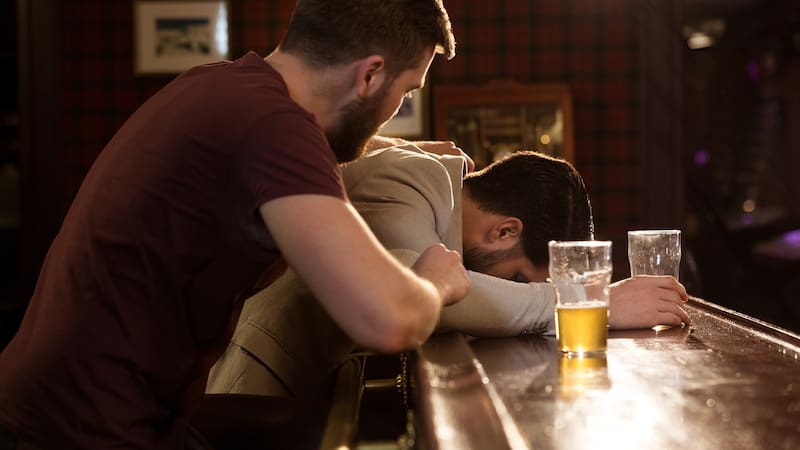
Going out for a drink with friends or family is a common activity, but the presence of intoxicated people with problematic behavior can create uncomfortable situations and even put the safety of other customers at risk.
To prevent this type of situation, the Alaska Code has a title dedicated to regulating alcoholic beverages, which establishes restrictions both for establishments that sell them and for the people who consume them.


What does the Alaska Code establish regarding the entry of drunk people into liquor-selling establishments?
Title 4 of the Alaska Code is entirely devoted to alcoholic beverages and sets out a series of restrictions for intoxicated people and establishments that have licenses to sell alcohol.
According to Section 04.16.040, a person who is intoxicated is prohibited from entering or deliberately remaining in establishments authorized to sell alcoholic beverages: “Any person who violates this section shall commit the offense of prohibited access to establishments by an intoxicated person”.
In addition, Section 04.16.030 prohibits those responsible for these establishments from allowing an intoxicated person to enter, remain, or consume alcoholic beverages inside their premises. “The prohibited conduct related to an intoxicated person constitutes an offense punishable by a fine of US$500”.
Which establishments are included in this measure?
The prohibition is not limited to bars or nightlife venues, but also applies to spaces that hold licenses regulated by Title 4 of the Alaska Code.
Among the establishments covered are:
- Bars and pubs.
- Restaurants.
- Liquor stores.
- Breweries, wineries, and distilleries.
- Other authorized spaces, such as clubs, theaters, resorts, and establishments where sporting events are held.
What is the responsibility of establishments licensed to sell alcohol?
According to Section 04.16.030 of the Alaska Code, license holders, their representatives, and employees must comply with the following restrictions:
- Do not sell, give away, or exchange alcoholic beverages with intoxicated people.
- Do not allow other people to deliver or sell alcohol to an intoxicated person inside the establishment.
- Do not allow intoxicated people to enter, remain, or consume alcoholic beverages on their premises.
- Do not allow intoxicated people to sell or serve alcoholic beverages.
In addition, Section 04.16.045 establishes that establishments may not allow the consumption of alcoholic beverages when their license does not authorize it.
What happens if the rule is not complied with?
The Alaska Code establishes sanctions both for intoxicated people who enter authorized establishments and for businesses that fail to meet their obligations.
The fines and consequences provided are as follows:
- $250 for intoxicated people: for deliberately entering or remaining in a licensed establishment, according to Section 04.16.040 and the Alaska judicial system fine schedule.
- $500 for prohibited conduct: for those who fail to comply with the restrictions of Section 04.16.030, such as selling alcohol to an intoxicated person or allowing them to remain in the establishment through criminal negligence.
- $250 administrative penalty: for the holder of a license when an employee or representative commits an offense covered by Section 04.16.030 inside the establishment.
- Class A misdemeanor: when the holder of a license deliberately allows an employee or representative to commit one of these offenses. It is the most serious misdemeanor and can be punished by up to one year in prison and/or a fine of up to $25.00.